
ADHD and Boredom: Why It Hits Harder and What Helps
ADHD and boredom go together: 18 studies of 22,365 people found a clear link (r = 0.40). Why boredom hits harder with ADHD, and 6 ways to handle a dull task.
ADHD and boredom go together: 18 studies of 22,365 people found a clear link (r = 0.40). Why boredom hits harder with ADHD, and 6 ways to handle a dull task.
ADHD racing thoughts are a core adult symptom: 182 adults with ADHD scored higher than people in hypomania, worst at bedtime. Why, and 5 ways to slow them.
Divided attention is doing two things at once. Examples, how it differs from selective attention, how 2.5% of drivers in one study had no cost, and what helps.
Organizational skills are how you plan, prioritize and keep track of work. 10 examples, how to show them on a resume or in an interview, and 6 ways to improve.
A shutdown ritual is a 5-minute routine that closes your workday: capture loose tasks, plan tomorrow, then stop. Where it came from, why it works, a template.
Zoning out is your mind drifting off a task without you noticing. Why it happens, when it may be something else, and 7 practical ways to stay present.
How to focus with ADHD: 10 strategies, from timed blocks to white noise, each graded by the research behind it, plus what works without medication.
The interest-based nervous system is Dr. William Dodson's name for ADHD motivation. Its 4 (later 5) triggers, what research supports, and how to use them.
Does ADHD make you tired? Often, yes: 62% of adults with ADHD in one clinic study had significant fatigue. 7 causes, why coffee backfires, and what helps.
ADHD perfectionism is less about high standards than self-judgment: in 3,720 students, more ADHD symptoms went with lower standards but more disappointment.
ADHD waiting mode is a community term for losing hours before one appointment. What nearby research shows, and a 4-step leave-by plan to get your day back.
A doom pile is stuff you moved but never sorted. Why ADHD makes the piles more common, and a 15-minute clear-out with 4 exits so the pile does not come back.
How to study with ADHD: quiz yourself instead of rereading (it worked as well for students with ADHD in 3 of 4 college studies) and plan back from exams.
ADHD object permanence is a community term for out of sight, out of mind. What research on remembering to act shows, and 4 cues that keep things in view.
ADHD and memory: why working memory slips (75% to 81% of children with ADHD in one study), why it is not memory loss, and why reminders beat brain games.
ADHD brain fog is a lay term, not a diagnosis. What it feels like, how it links to CDS, 7 other causes to rule out, and a five-step plan for foggy days.
ADHD hyperfixation is a community term, not a diagnosis. How it differs from hyperfocus, what 4 studies found, and 5 guardrails to keep it from costing you.
ADHD stimming is repetitive movement or sound that helps you regulate. 5 stim types with examples, what the research shows, ADHD vs autism, and quieter swaps.
Brown noise vs white noise: how their spectra differ, what studies show for focus, ADHD and sleep, and why a 2024 meta-analysis found zero brown noise studies.
Monk mode means a set period of distraction-free focus with strict rules. What the research supports, what it does not, and a 1-week version you can try.
The 1-3-5 rule caps your day at 9 tasks: 1 big, 3 medium, 5 small. Where it came from, a worked example day, the time math, and an ADHD version.
ADHD accommodations at work, mapped from 9 common struggles to real examples, plus your US and UK rights, the documentation question and an email to adapt.
ADHD burnout is not a diagnosis, and the WHO defines burnout only for work. Symptoms, the boom-bust cycle, how it differs from depression, and 6 recovery steps.
ADHD organization works better as one small system than 33 tips. The Land, See, Reset method for your home, your tasks and your paperwork, plus a tools table.
ADHD overwhelm comes from working memory, emotion and sensory load piling up. How to tell it from a meltdown or shutdown, plus a 10-minute reset to try.
A dopamine menu is a list of rewarding activities sorted like a restaurant menu. 60 ideas, a copyable template, and what dopamine really does, with sources.
ADHD paralysis is not a diagnosis but a real stuck feeling. Why task paralysis happens, how it differs from laziness, and 8 ways to get unstuck, with sources.
ADHD procrastination is tied to inattention, not laziness. What 11 studies show, how it differs from ordinary delay, and 6 fixes matched to the cause.
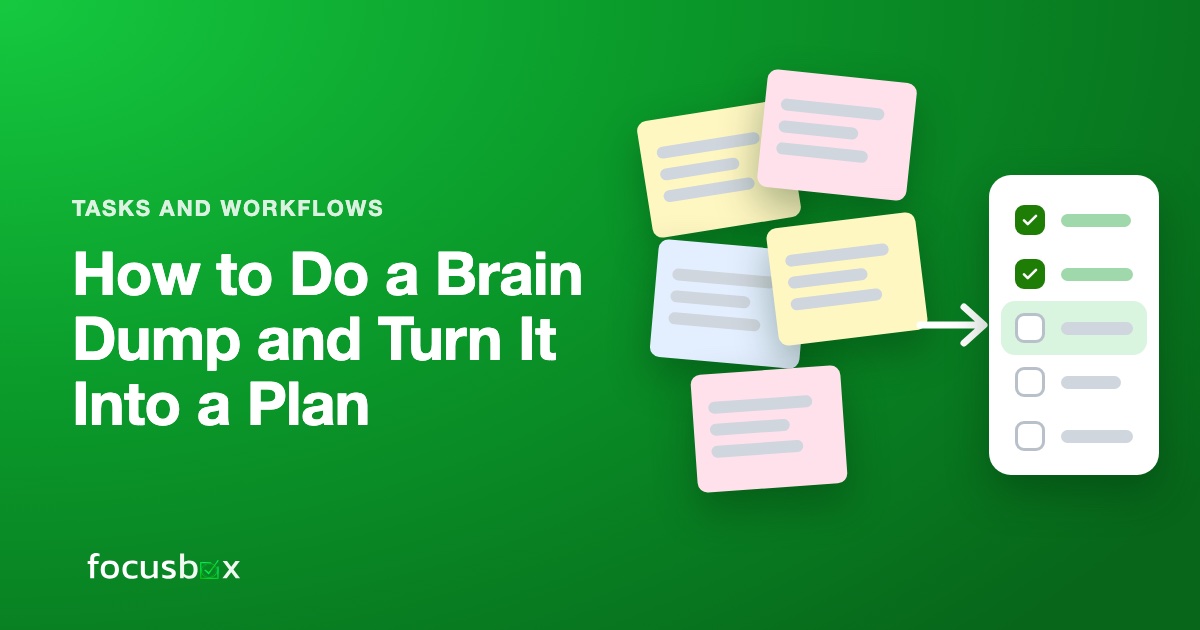
A brain dump is 5 to 10 minutes of writing down everything on your mind. Learn the method, the 4 buckets to sort it into, and how to turn it into today's plan.
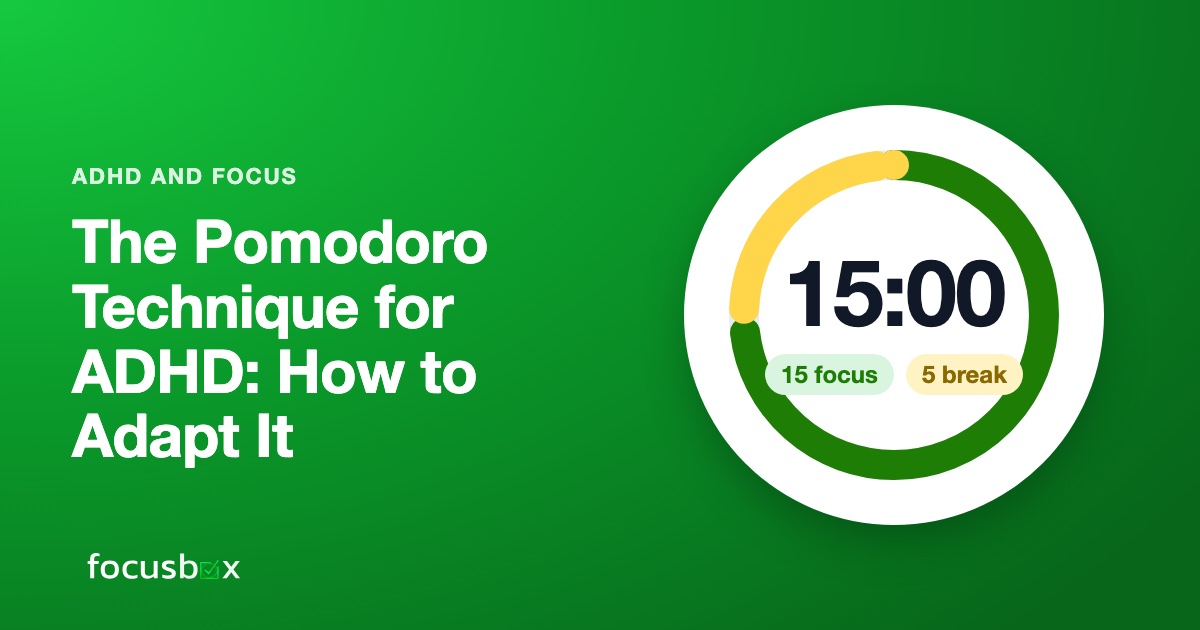
The Pomodoro technique for ADHD: why a timer helps you start, where 25 minutes fails (hyperfocus, lost breaks), and 5 adaptations, from 15/5 to a flexible end.
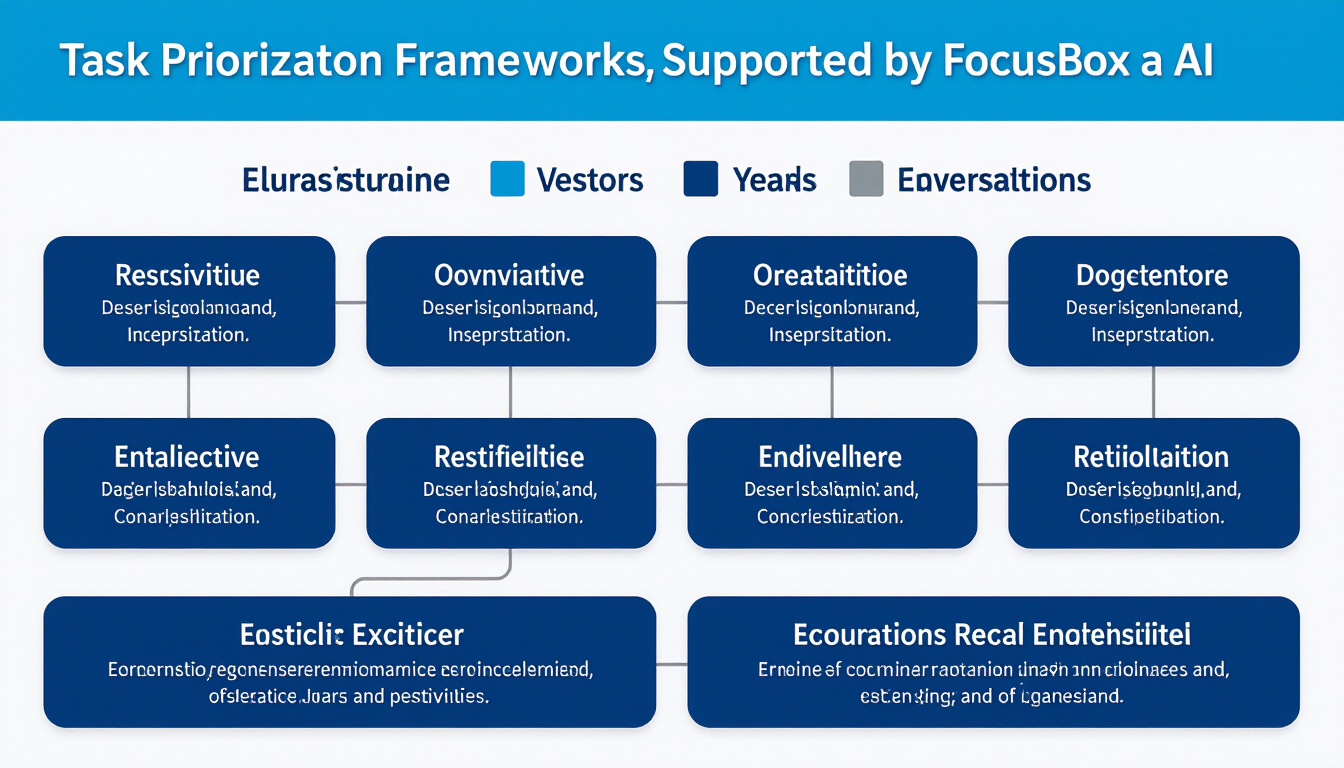
Compare task prioritization frameworks—Eisenhower Matrix, MoSCoW, RICE—and how FocusBox AI adapts each for smarter productivity in 2026.
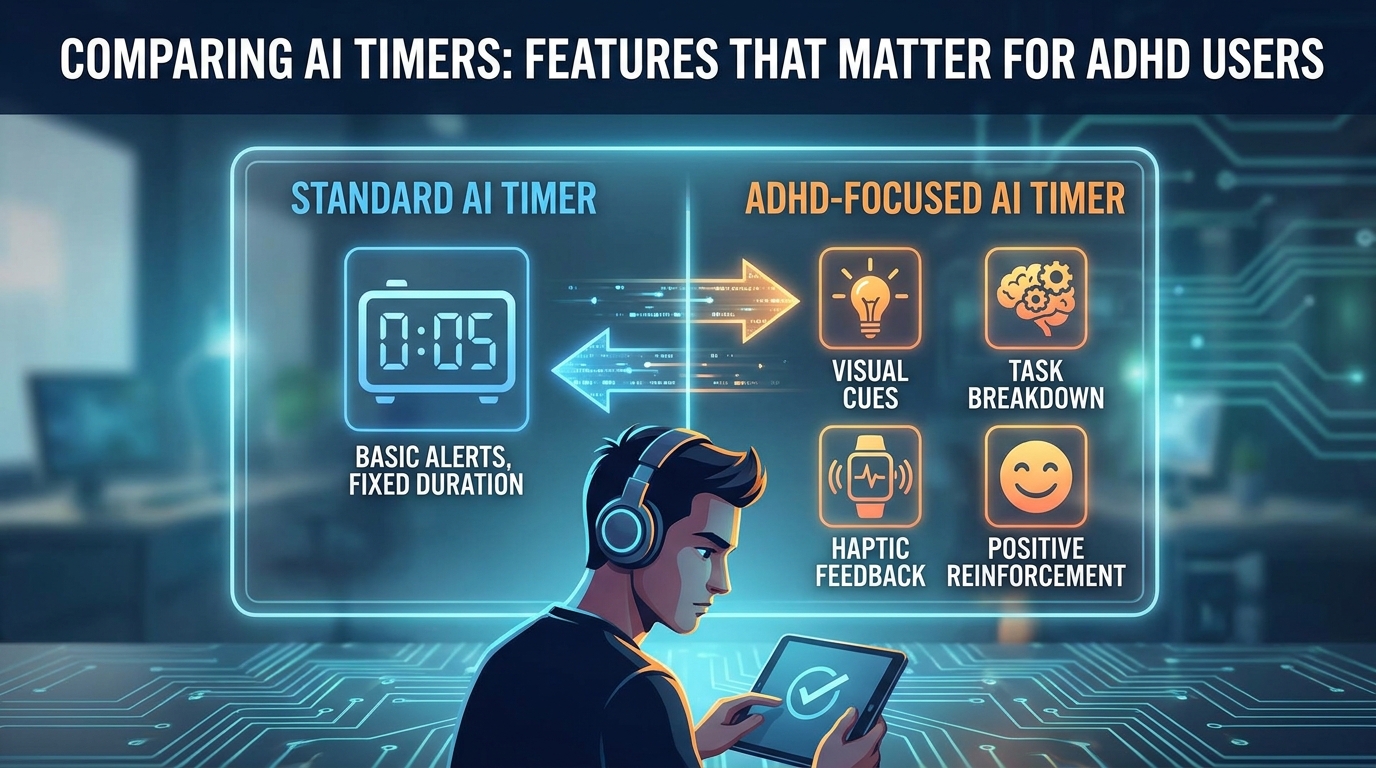
Compare leading AI timers for ADHD users. Discover which features in AI timers make the biggest difference for focus, productivity, and time management in…
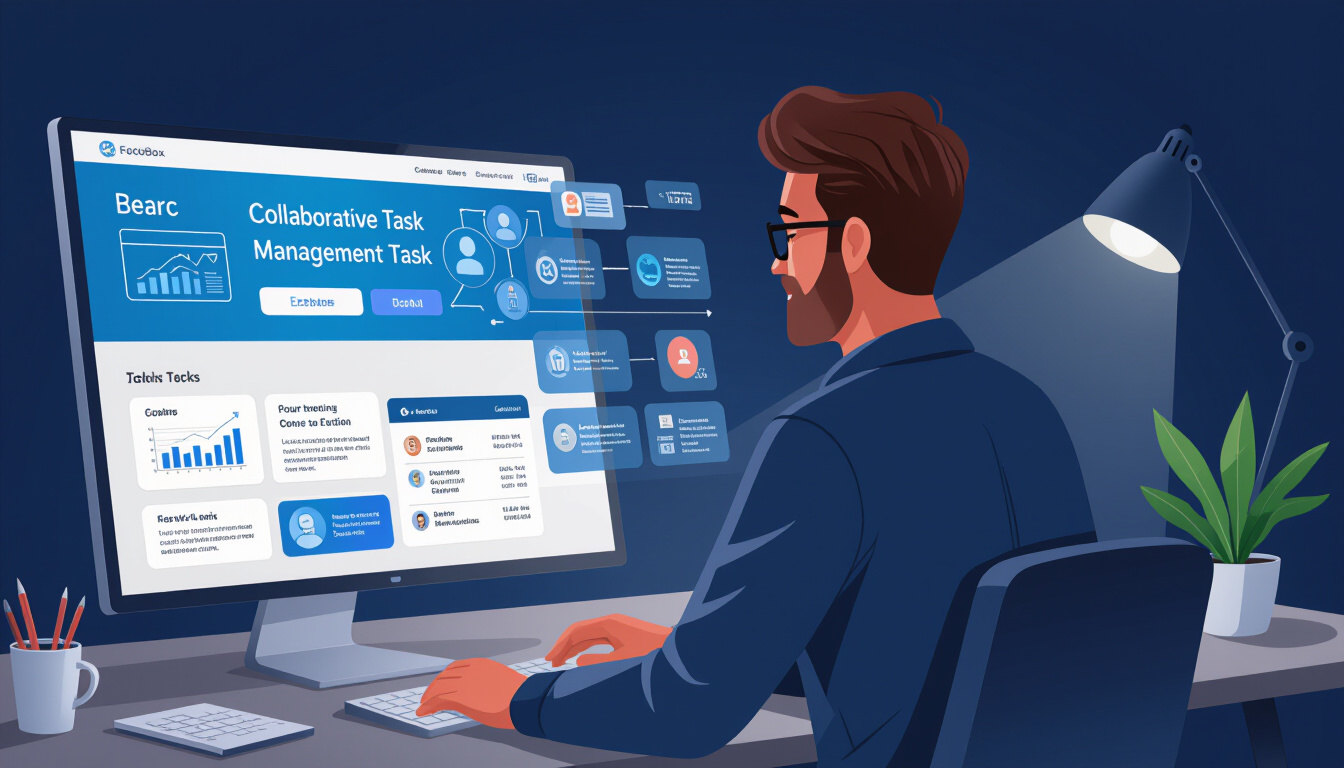
Master collaborative task management with FocusBox AI. Learn to assign, track, and prioritize tasks as a team for higher productivity in 2026.
7 apps that support focus for people with ADHD in 2026. How ADHD-friendly apps take on executive function, and why to judge them on a missed day, not setup.
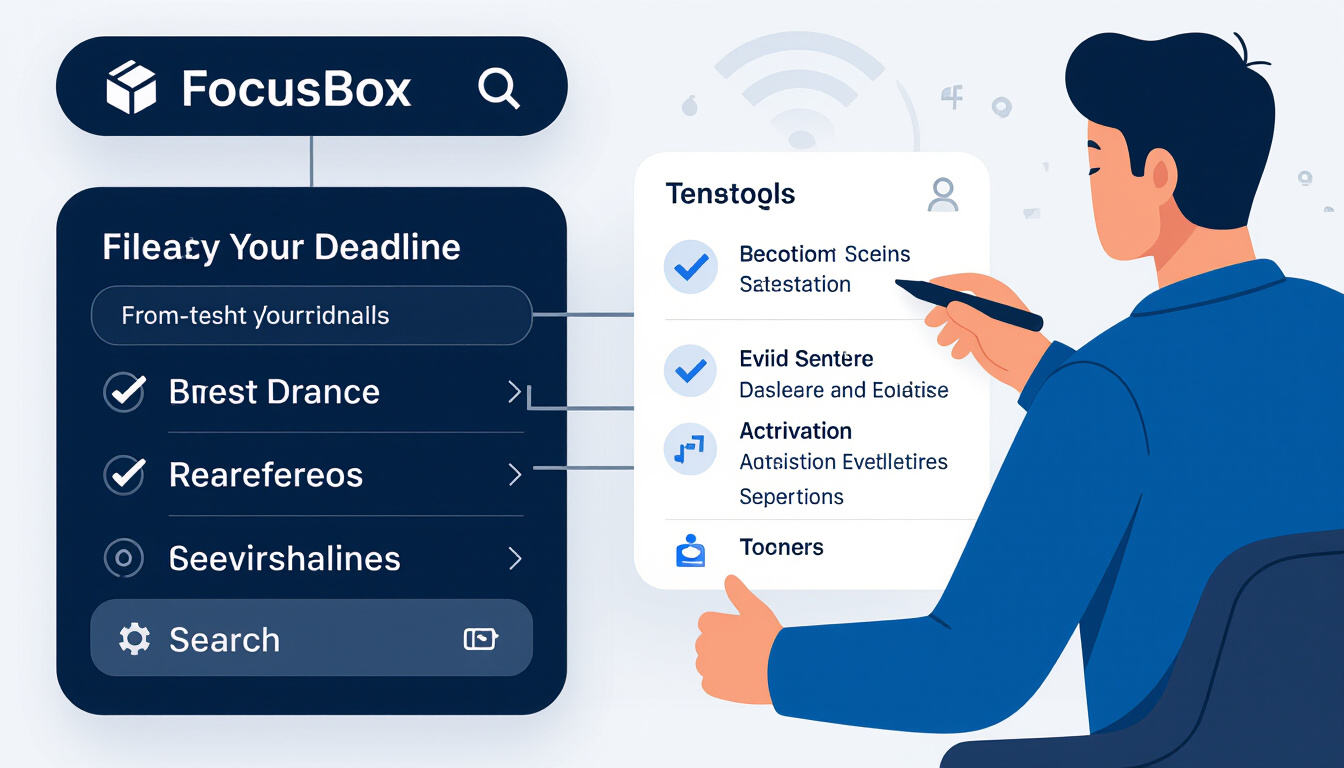
Prioritize tasks by deadline with FocusBox AI. Why firefighting starves real deadlines, and how sorting by due date turns an urgent-looking list into an order.
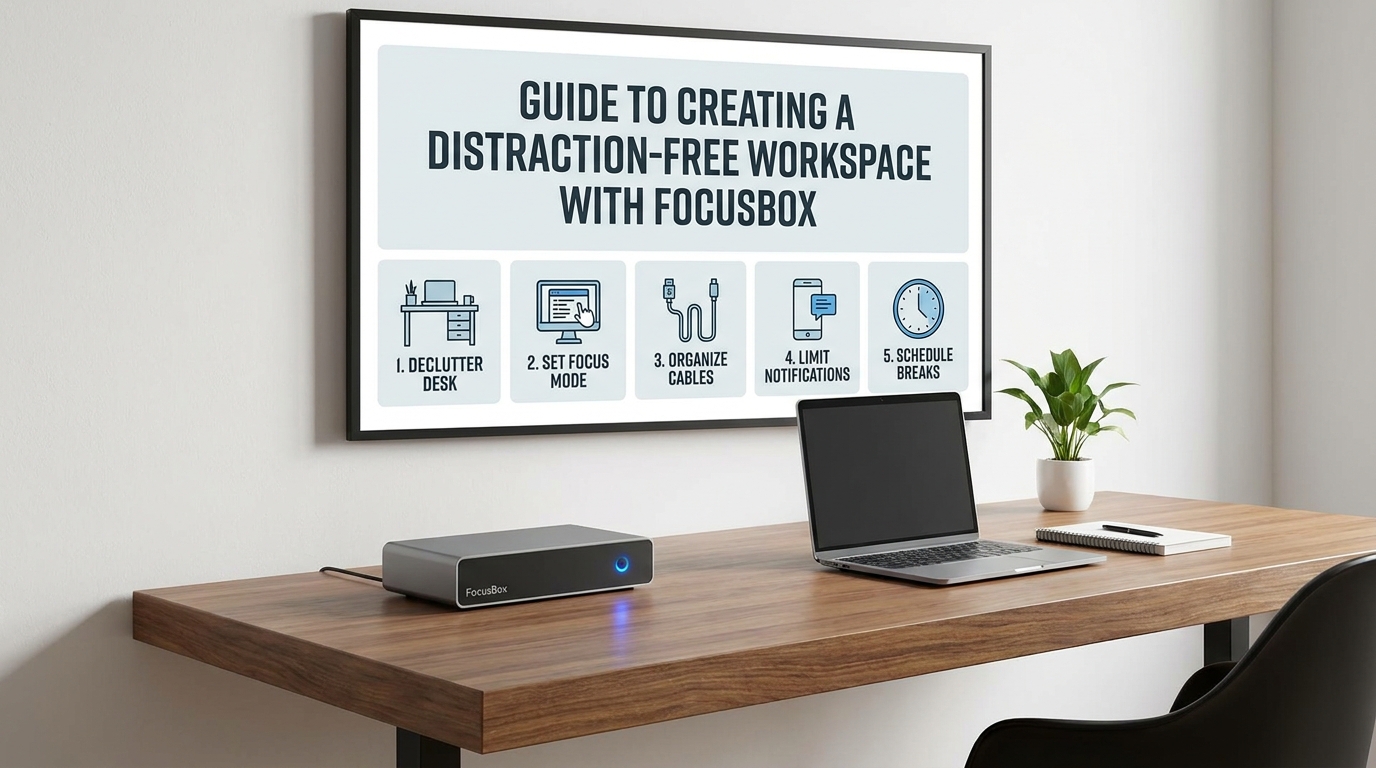
How to create a distraction-free workspace: cut decisions rather than chasing a bare desk, tackle cognitive overload, and design it once instead of daily.
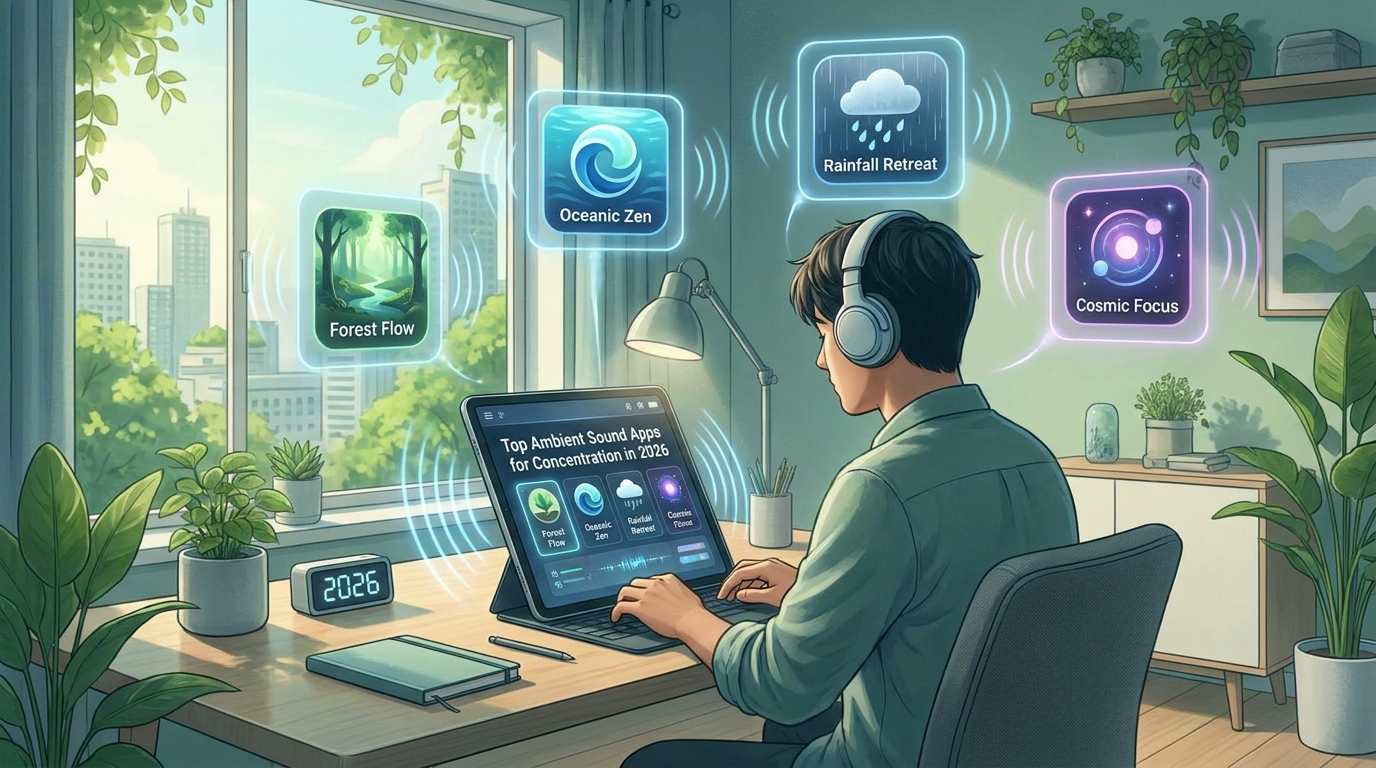
The top ambient sound apps for concentration in 2026. Why sound quality and loop length beat library size, and why focus apps differ from relaxation apps.
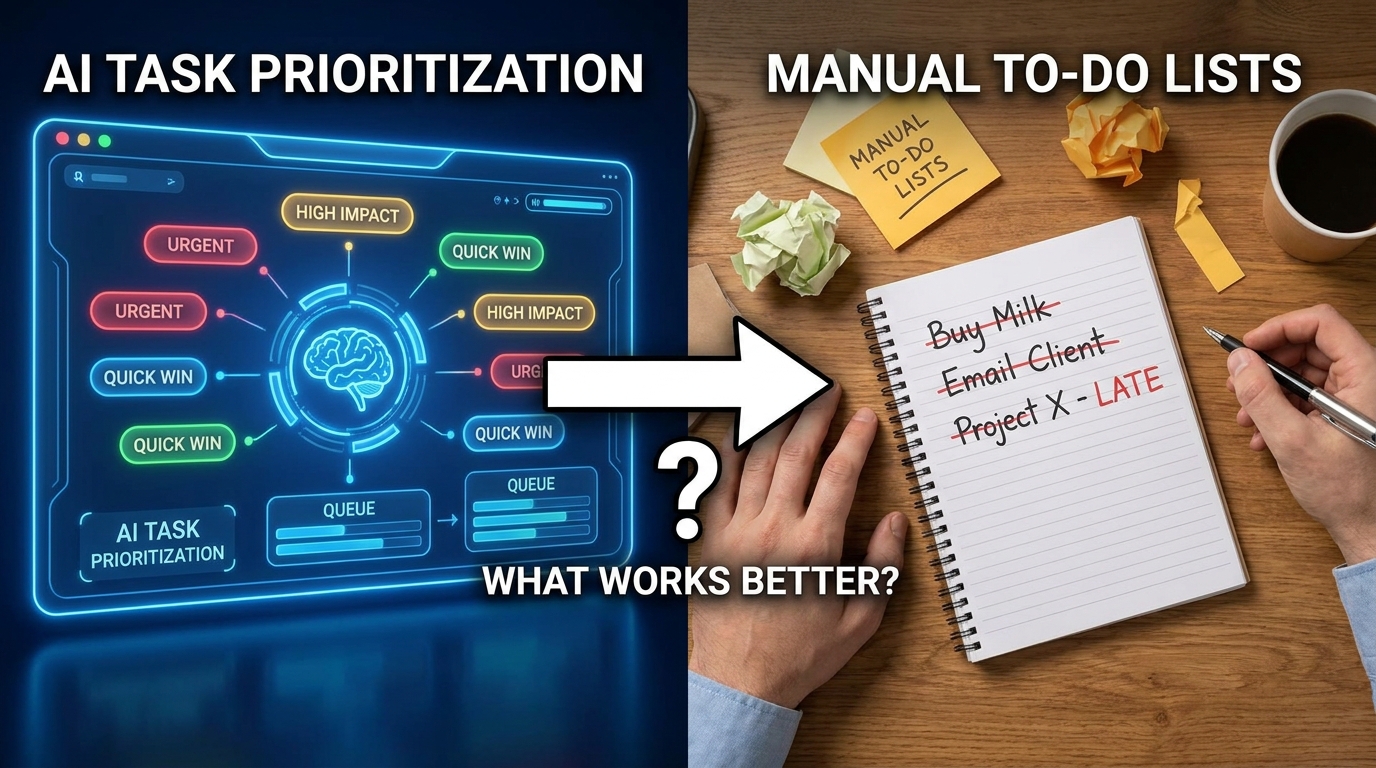
AI task prioritization vs manual to-do lists: where manual lists stop scaling, when AI ordering is worth it, and why the real test is how clear you feel at 5pm.
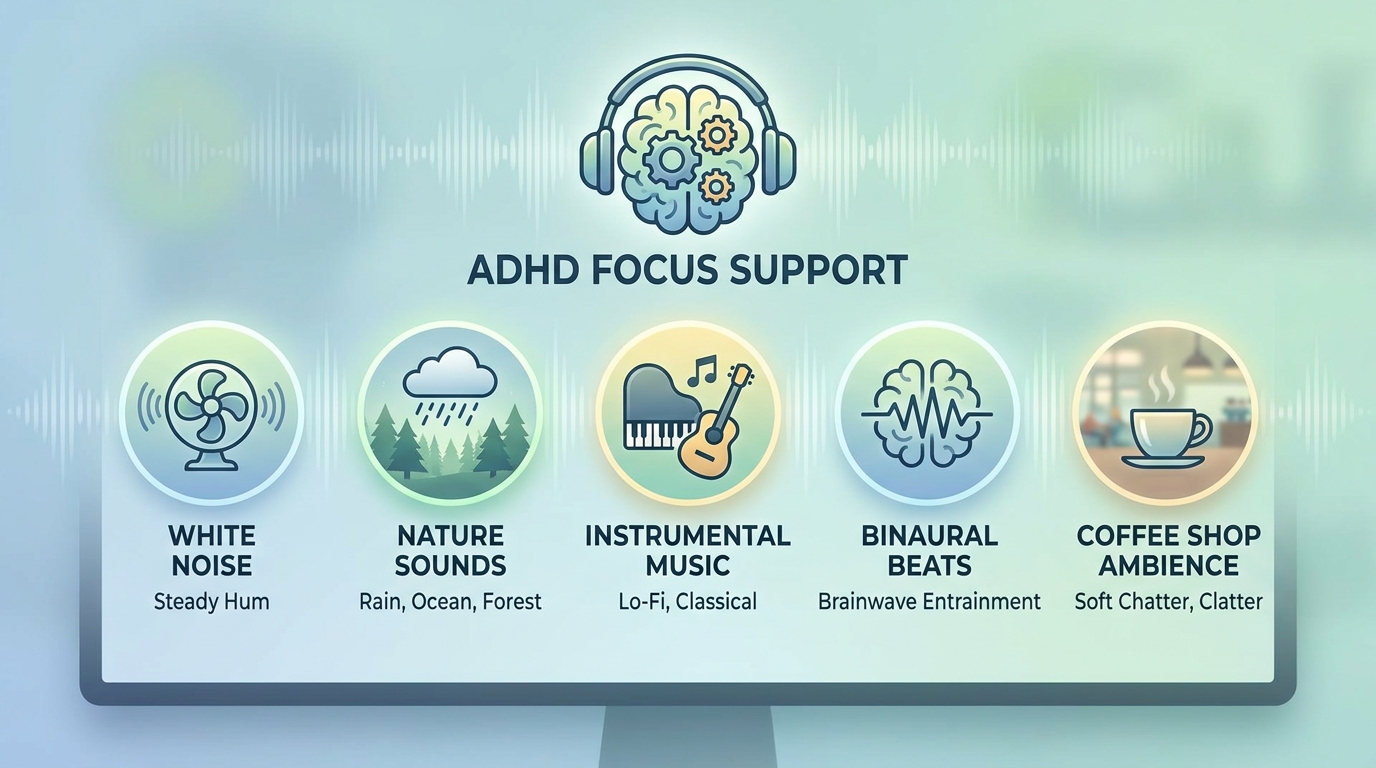
Ambient sound types that help ADHD concentration. What the research says about white noise, why personal testing beats rankings, and matching sound to task.
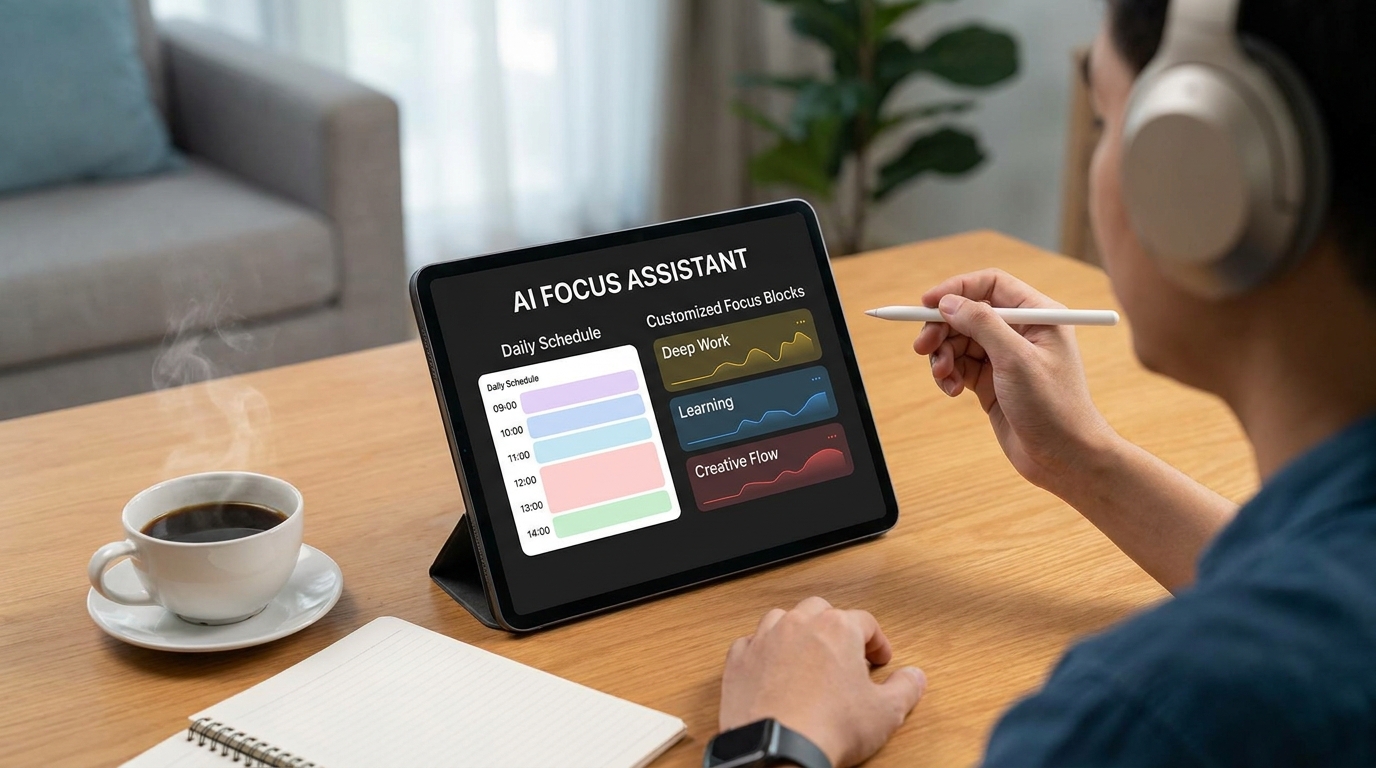
Customize daily focus sessions with FocusBox AI. Why a fixed 25-minute block fits neither deep work nor admin, and how session length should follow the task.
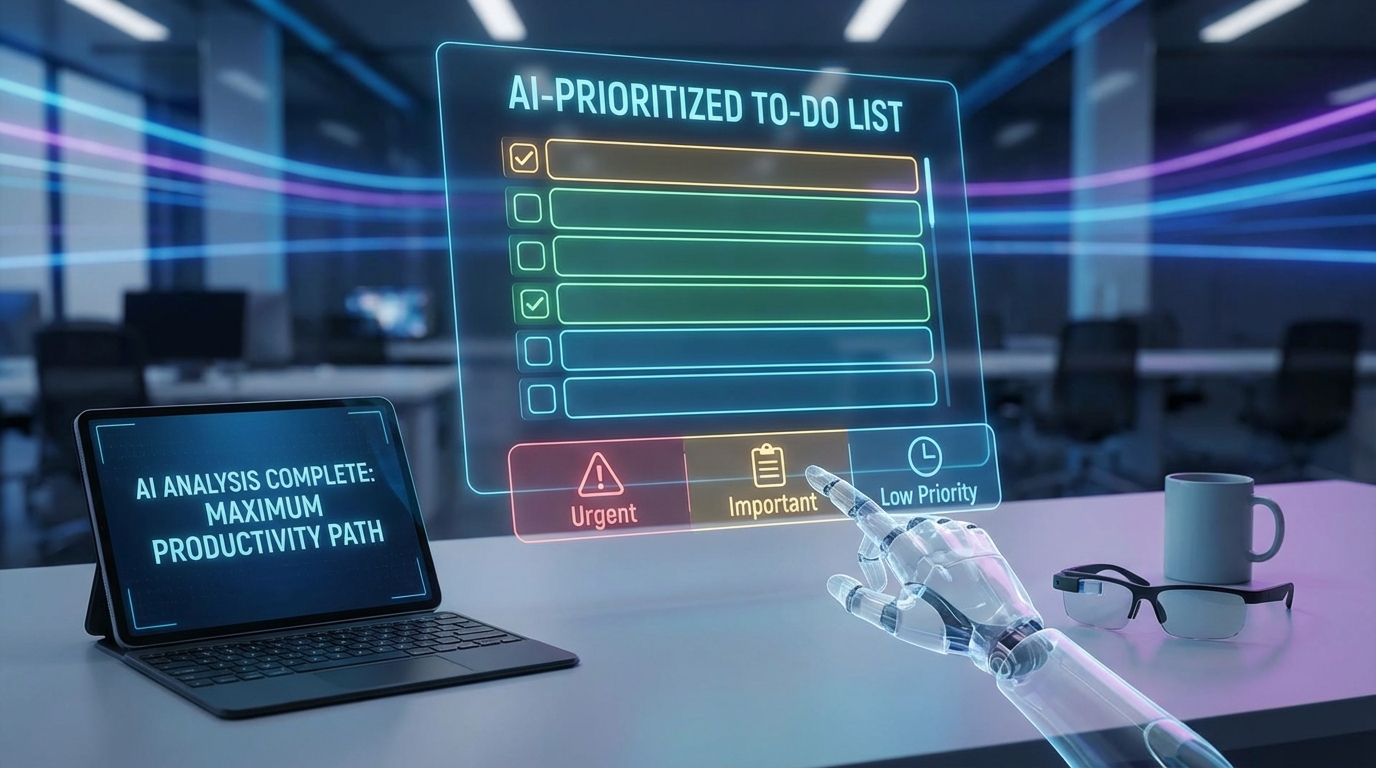
How to use AI to prioritize your to-do list: why long manual lists turn into avoidance, and why prioritization only helps if it gives you one next action.
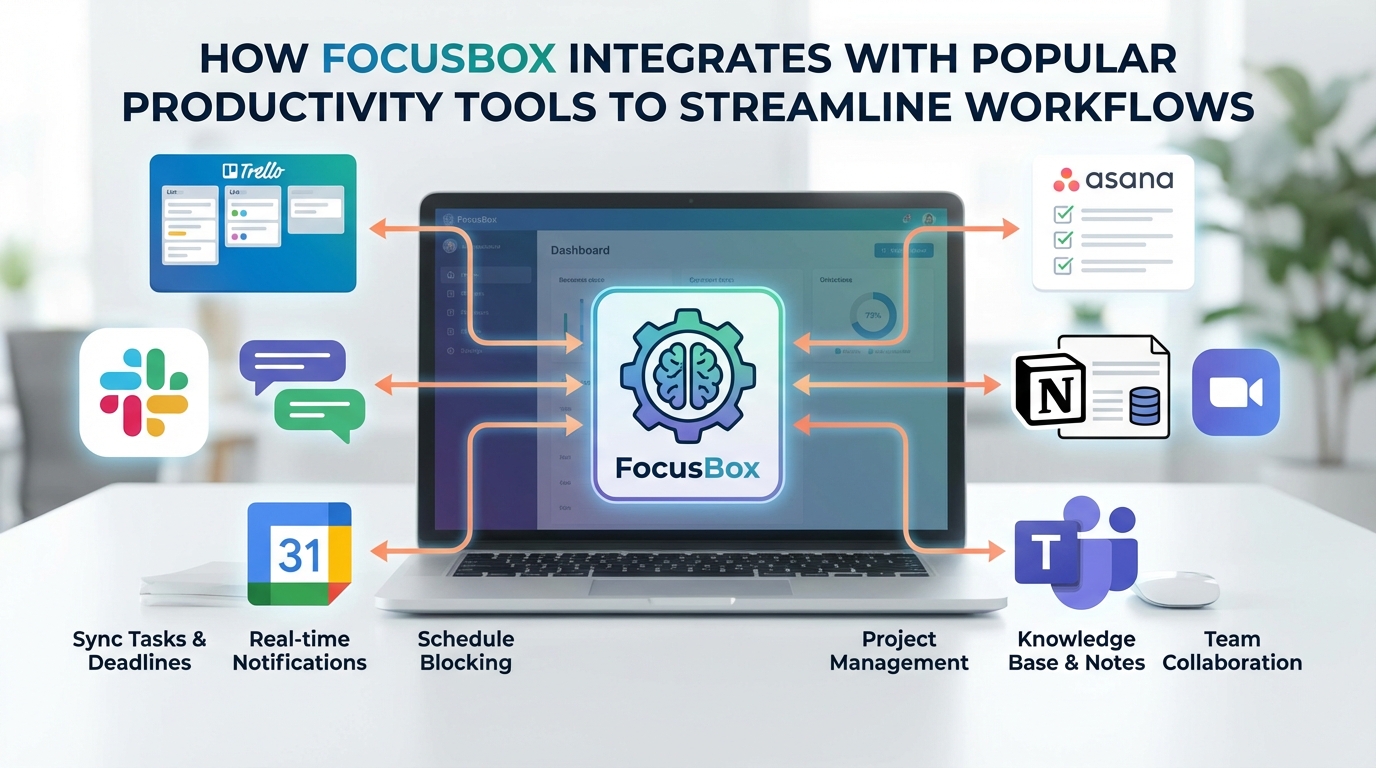
FocusBox integrations import tasks from Todoist, Asana, ClickUp, Notion and Jira, and events from Google Calendar, so you timebox the work you already track.
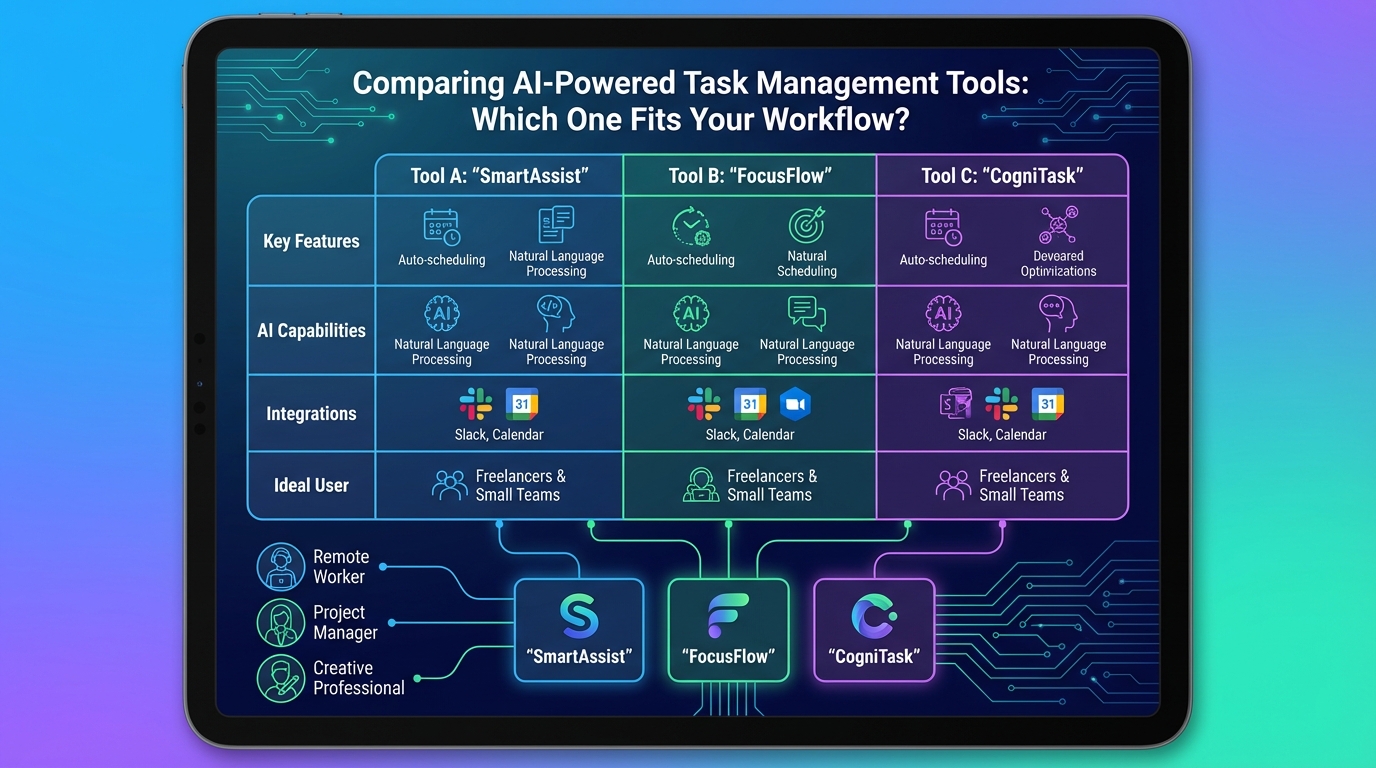
AI task management tools compared: Motion, Morgen, Sunsama, Akiflow, Notion, Asana, ClickUp and FocusBox, with verified prices and who each tool suits.

Import tasks from Notion into FocusBox and time-box each one. Turn a large Notion workspace into a day you can actually finish, with a visible countdown.
The best open source note-taking apps compared, from Joplin and Obsidian to Logseq and Standard Notes. Control of your data, sync options and export formats.
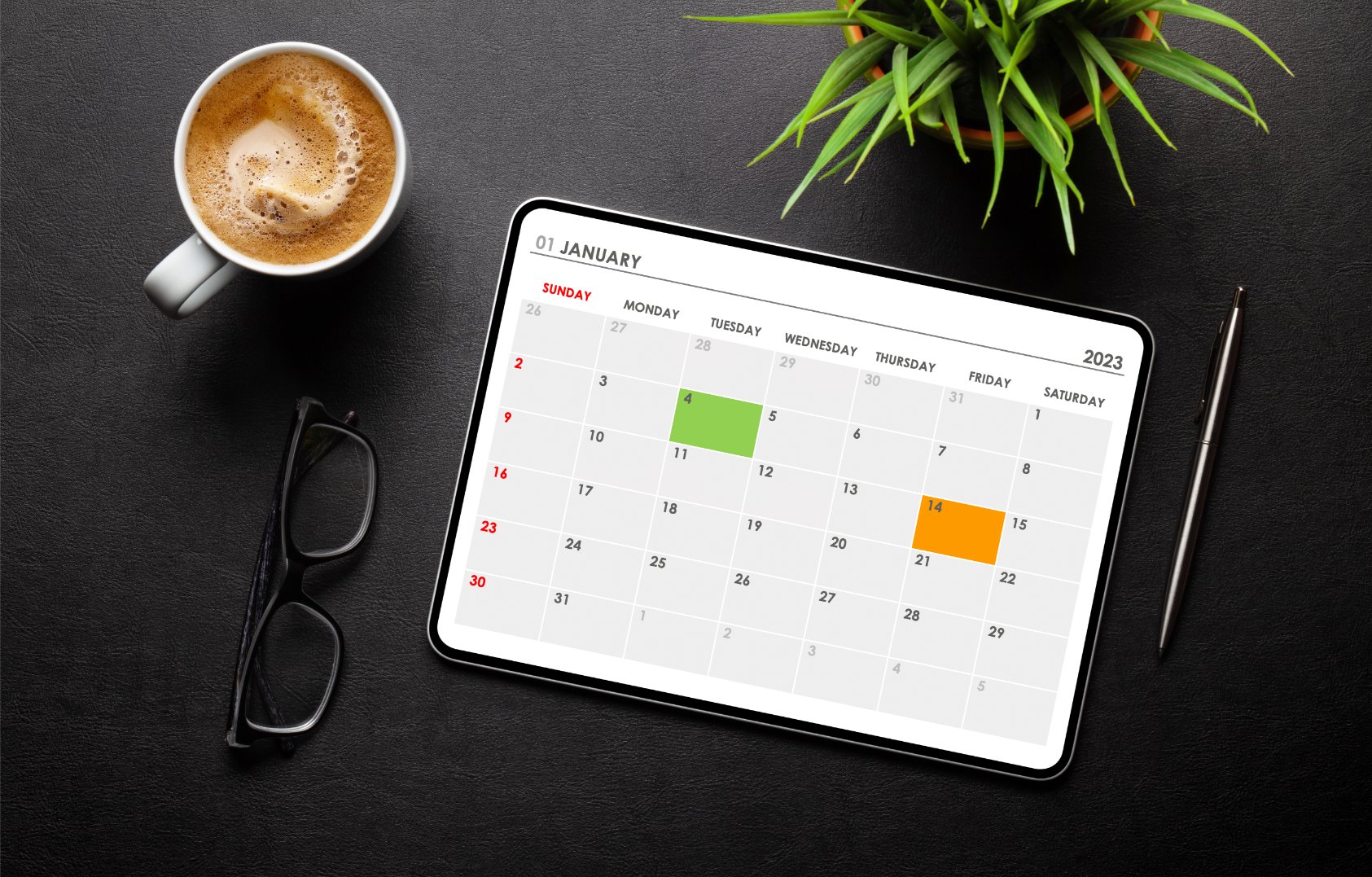
The 7 best shared calendar apps for families. Pick one everyone will actually add to, that works on your household's devices, with colour coding per person.
The 5 best email apps compared on what matters most: how fast you can triage, how good search is, and whether it works on every device you read email on.
12 AI note-taking apps compared by what they do best: summarising, transcribing or organising. Check what leaves your device and the free-tier limits.
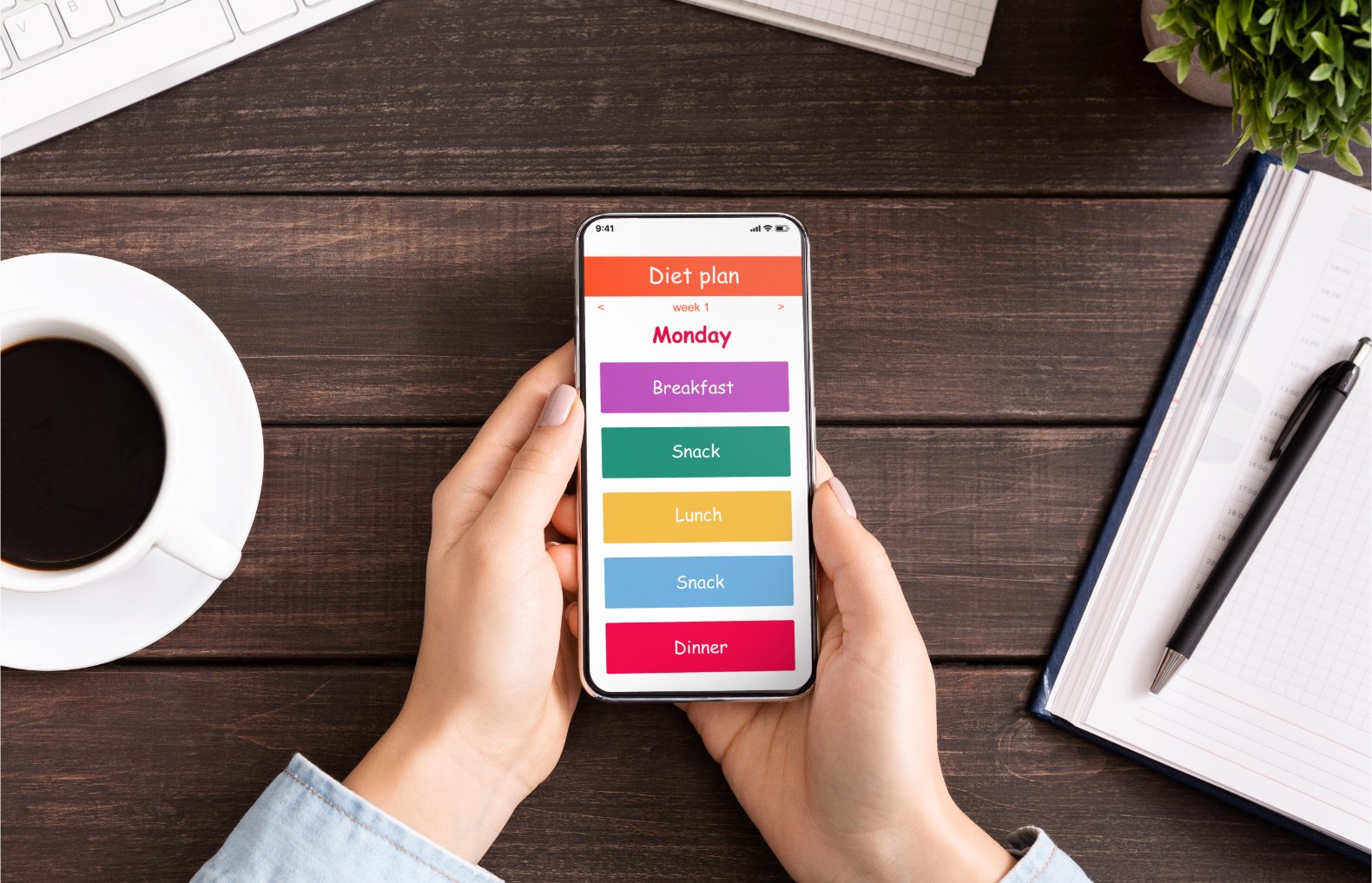
The 10 best daily planner apps compared. What to look for: seconds-fast capture, a today view by default, and calendar sync that survives your meetings.
The 5 best second brain apps compared. A second brain is a habit before it is an app: test capture and retrieval, and start with a flat structure.
The 10 best PKM apps for personal knowledge management, compared by how they connect notes: folders, links or graphs. Start simple and link as notes grow.
The 10 best Mac note-taking apps compared on sync, search and export. Why open formats matter, and why Apple Notes may already be enough before you pay.
The 5 best reminder apps compared. What makes a reminder app work: fast capture, reliable notifications, and time and location triggers you can't ignore.
The 9 best email apps for Chromebook compared. Native client or wrapped web page, offline access, notifications and shortcuts: what to check before you pick.
The 8 best Markdown note-taking apps compared. Markdown keeps notes portable; the real differences are sync, linking and plugins, so check export first.

The 7 best mindfulness timers to reduce stress. A timer removes clock-watching; start with short sessions and guided audio, then move to unguided practice.
The 6 best guided meditation timers for sleep. Sleep sessions differ from focus sessions: look for a fade-out instead of an alarm, and keep timing consistent.
The 7 best productivity timers with city ambience, for people who focus better with background activity. Look for a steady soundscape and keep the volume low.
The 5 best creative timers for artists. Why creative work needs longer blocks than admin, how ambient sound helps, and setting sessions for each stage of work.
The 5 best Pomodoro timers for developers. Why coding needs blocks longer than 25 minutes, why lyric-free sound is safer, and taking breaks away from screens.
The 6 best study timers for students, with ambient sound. How the Pomodoro rhythm helps revision, and which session lengths suit essays or problem sets.
The 8 best Pomodoro timers for professionals, with ambient sound. Why longer blocks suit professional work and how to pick a timer that survives meetings.
The 5 best aesthetic Pomodoro timers. A timer you like looking at stays open, but check the basics first: adjustable intervals, sound and session history.
The best organization apps to get your life in order. Why effortless capture matters most, one system beats three, and how to choose for your worst week.
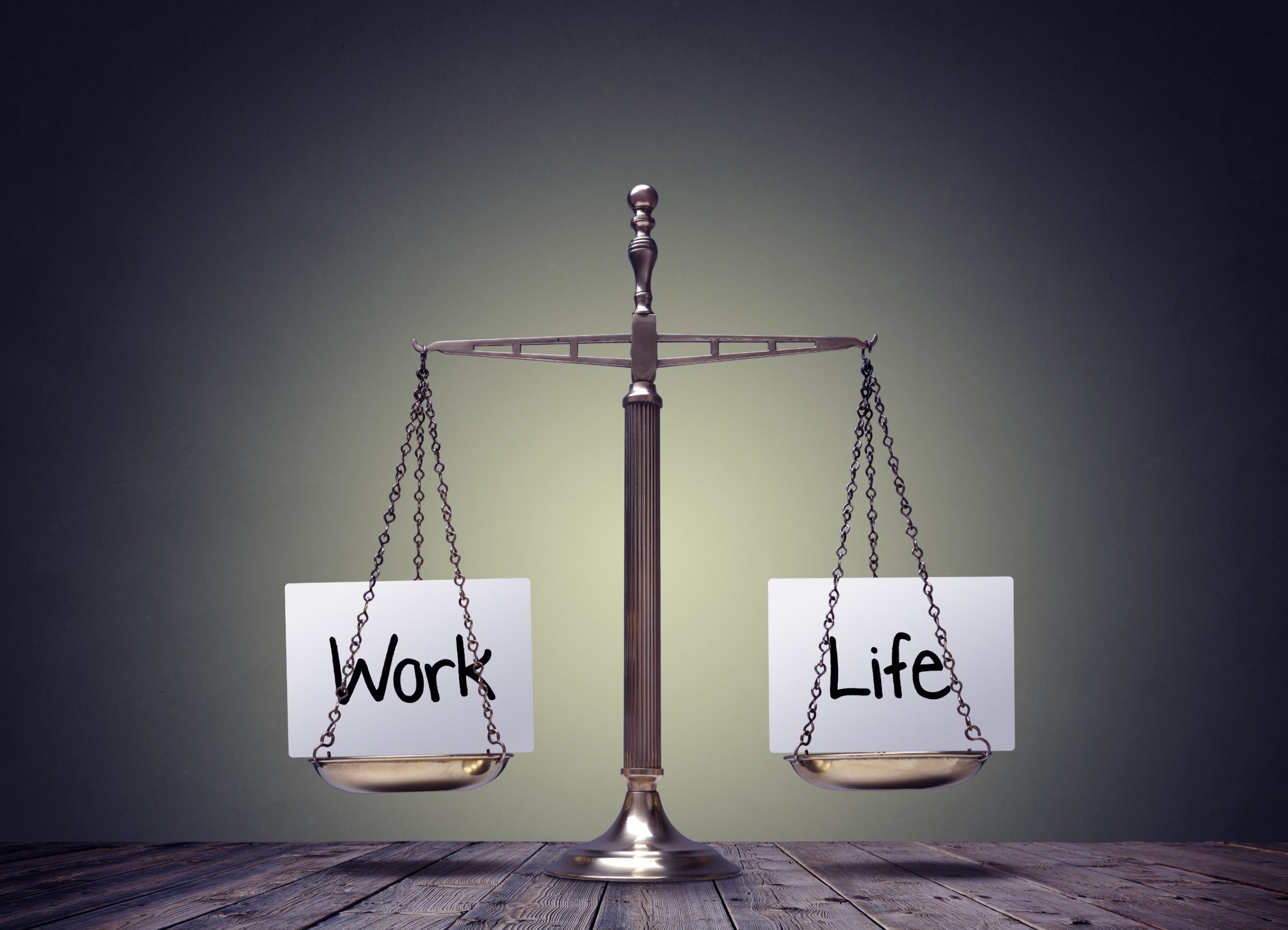
The 10 best work-life balance tools. They work by making boundaries explicit; notification control matters most, and no tool enforces a boundary for you.
The 8 best habit tracking apps compared. Why trackers work through visibility, when streaks motivate or shame, and why two or three habits is the right number.
12 of the best productivity coaches to follow, grouped by approach: systems, habits or motivation. Apply one coach's method before you add another.

The 6 best productivity books to read, and which problem each one solves: habits, focus or prioritization. Start with the one that fits your bottleneck.
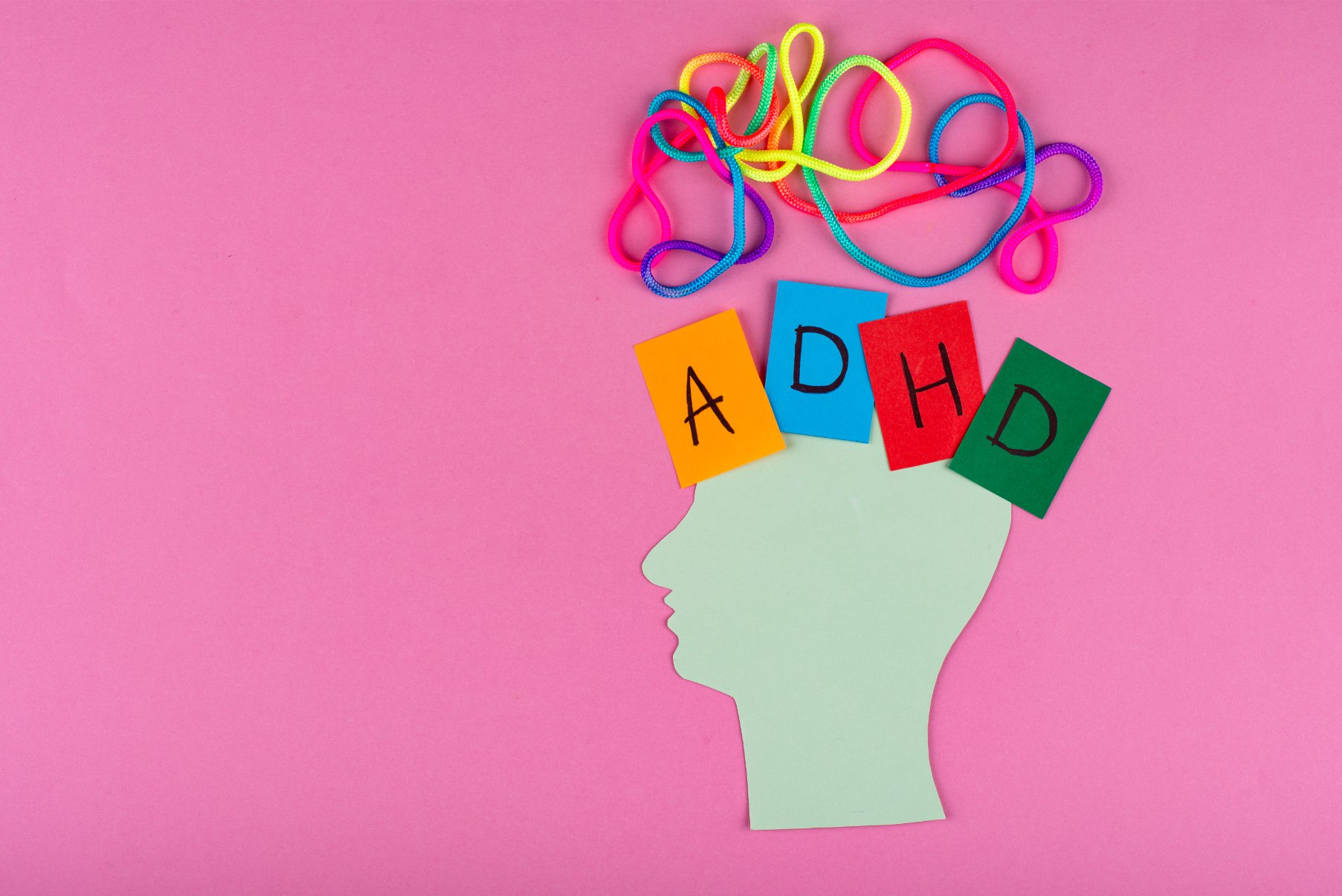
What is ADHD masking? Examples of hiding ADHD traits at work and socially, why it leads to exhaustion and burnout, and coping by reducing the need to mask.
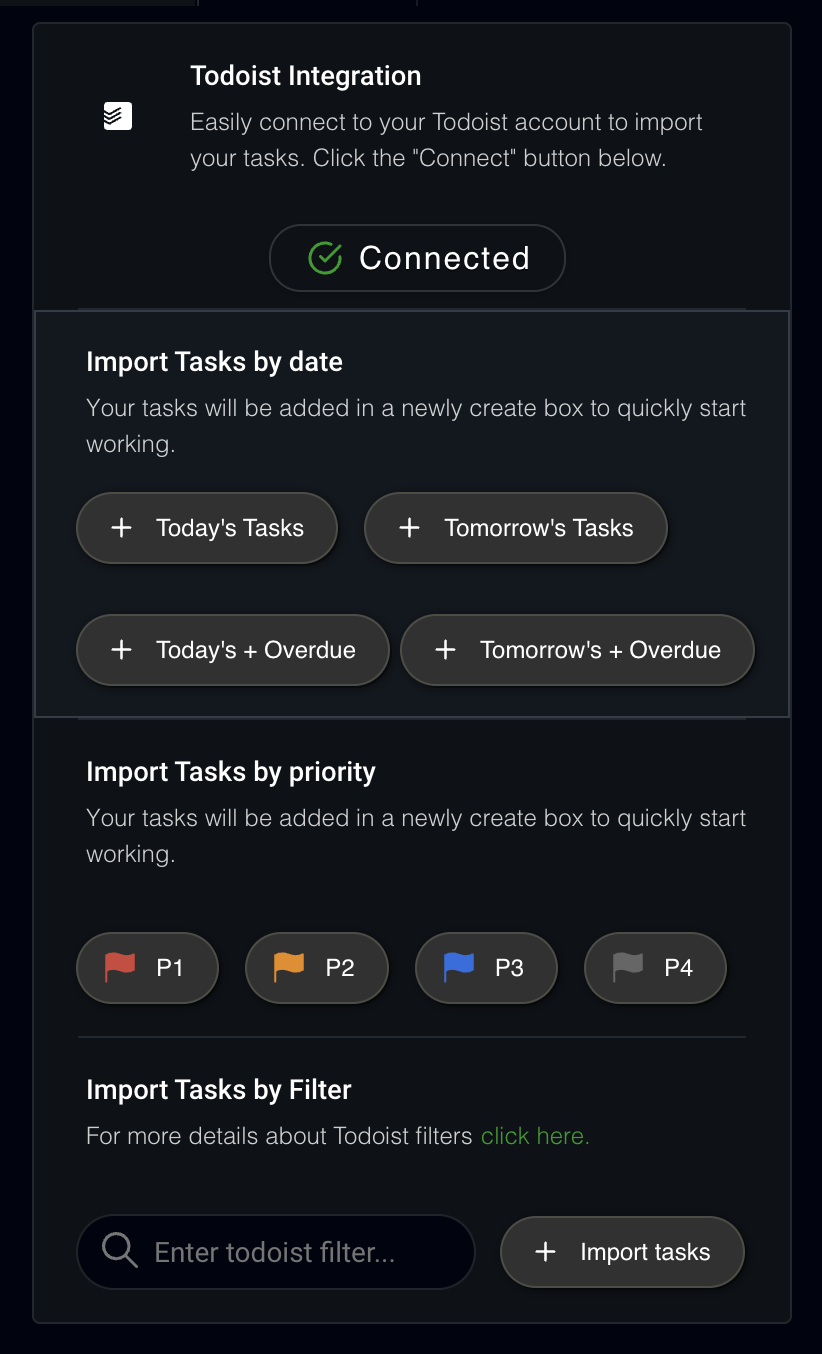
Todoist time tracking in one click with FocusBox. Track time against the Todoist tasks you already have, import by due date, and filter by priority.
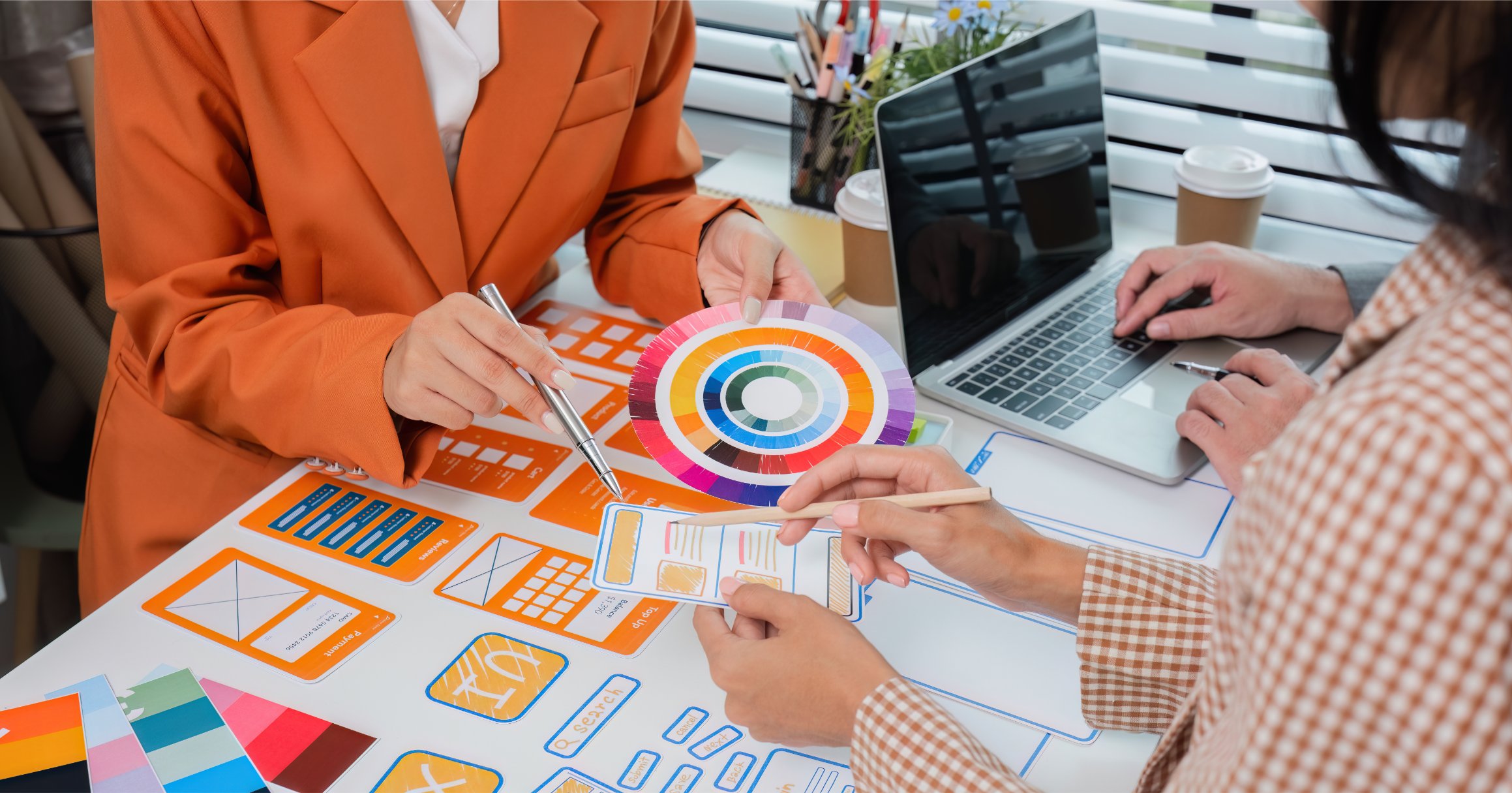
The best project management tools for marketing teams: handling campaign cycles and approvals, team-wide visibility, and fitting how your team already talks.
The best to-do list apps for students. Deadline handling matters more than tags; pick one that works offline and on a phone, and keep the list simple.
The best productivity apps for teachers, ranked. What a busy term needs: fast capture, recurring weekly structure, and nothing that requires daily upkeep.
The 5 best Notion templates for productivity. A template saves setup time and adds upkeep, so pick the simplest one that covers your case and strip the rest.
The 4 best study timer tools for students. Finite sessions make starting easier; pick a timer that tracks your sessions and fit the length to the subject.
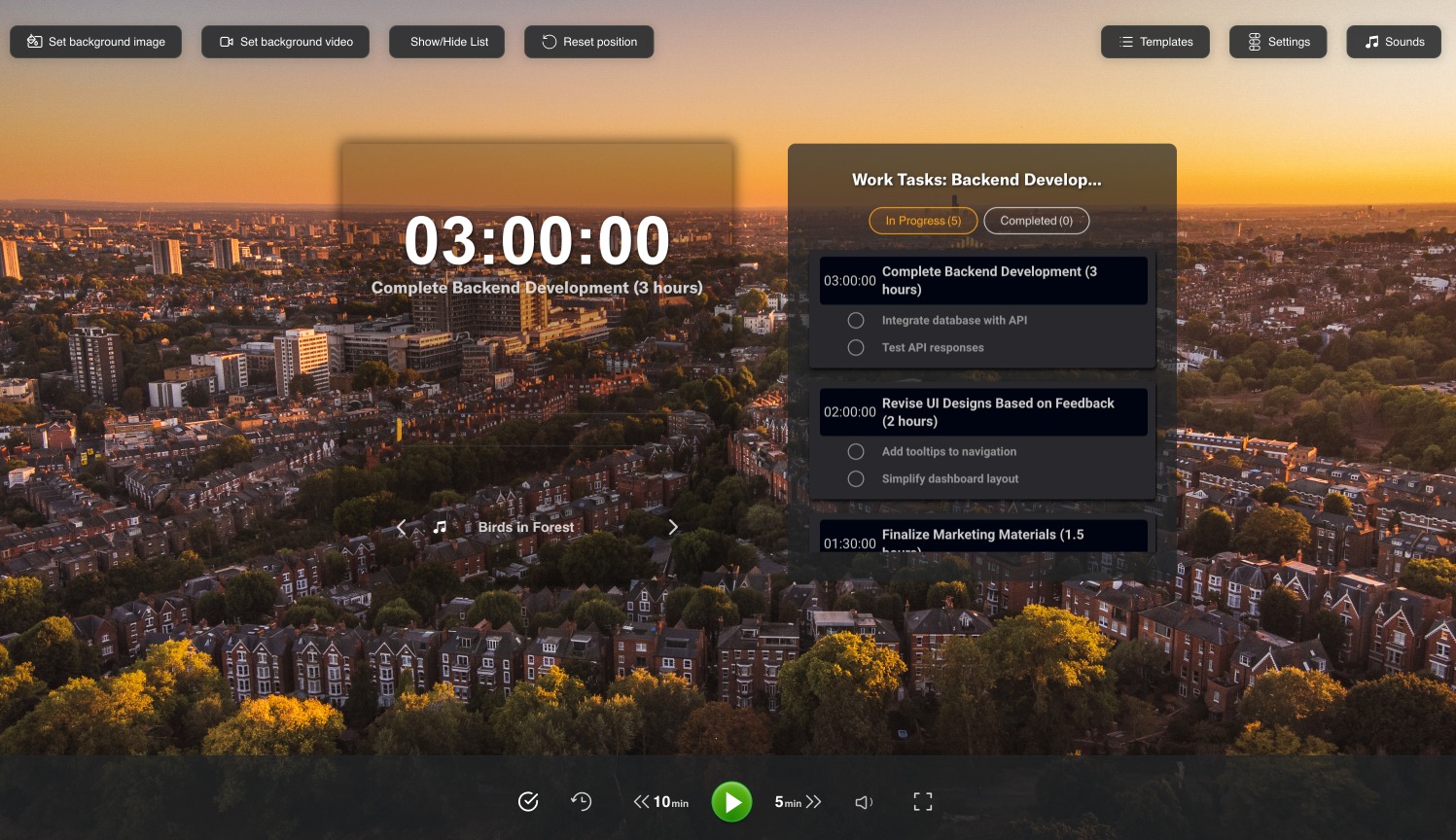
Generate projects with AI in FocusBox: describe a project in plain text and get tasks and subtasks back. Treat the result as a first draft you edit.
The 8 best Pomodoro timer apps compared: task links, sounds and reports. Pick one that fits your existing task list, and why a free tier is enough for most.
The 10 best time tracking tools for accountability. When tracking is worth it, why automatic beats manual entry, and why the reports decide which one to use.
The 10 best AI to-do list apps compared. What AI ordering and time estimates add, why calendar integration matters most, and when to trust the ranking.
The 7 best timeboxing templates for planning your day in advance. Match the template to your energy pattern and adjust the block lengths to your own work.
The 3 best time management templates. Remove the daily decision about how to structure work, match blocks to your attention span, and batch quick tasks.
9 relaxation technique templates. Structured sessions are easier to do than an instruction to relax; match the technique to the state you are in.
3 project management templates for small projects, including Eisenhower and GTD layouts. Why a template often beats a tool, and how to pick one.

The best non-medication treatments for ADHD: behavioural therapy and structural support have the strongest evidence, and they complement medication.
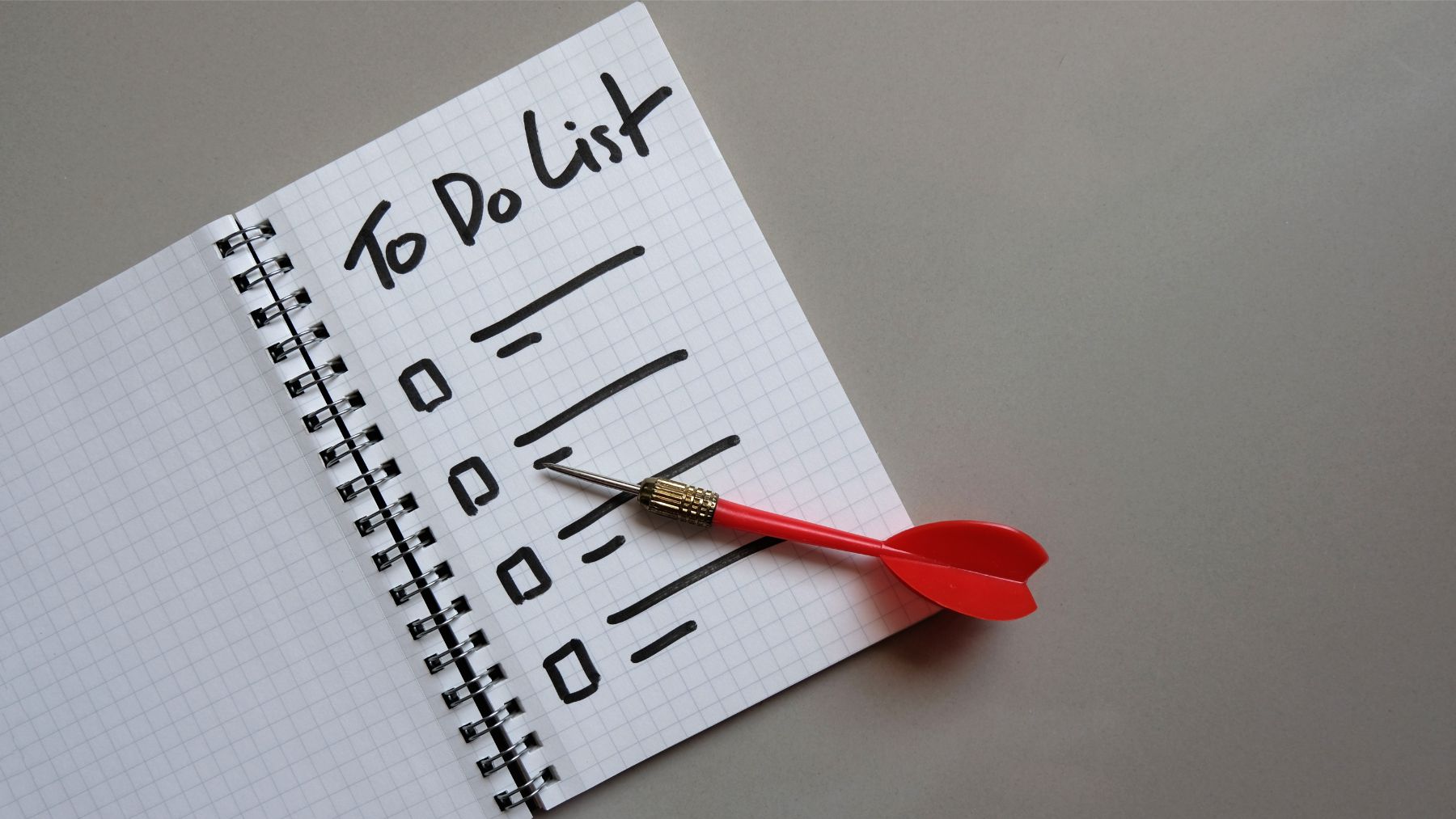
7 customizable productivity templates that remove a decision you make every day. Themed days and fixed workflows for repeatable work, tried one at a time.

7 personal development templates that narrow your next action. Work on one area at a time and pick templates you can finish in a single sitting.

Can ADHD affect cleaning? Why cleaning is an executive function task, why starting is the hard part, and how rooms or timed blocks make finishing possible.

10 procrastination templates aimed at the real failure point: starting. Use a tiny first action and pair it with a timer so the commitment stays small.

Why people with ADHD seek dopamine: differences in dopamine signalling make dull tasks harder. How to build stimulation into routine work on purpose.

4 brainstorming templates with a built-in time limit. Separate generating ideas from judging them, and drop the template once the ideas are flowing.
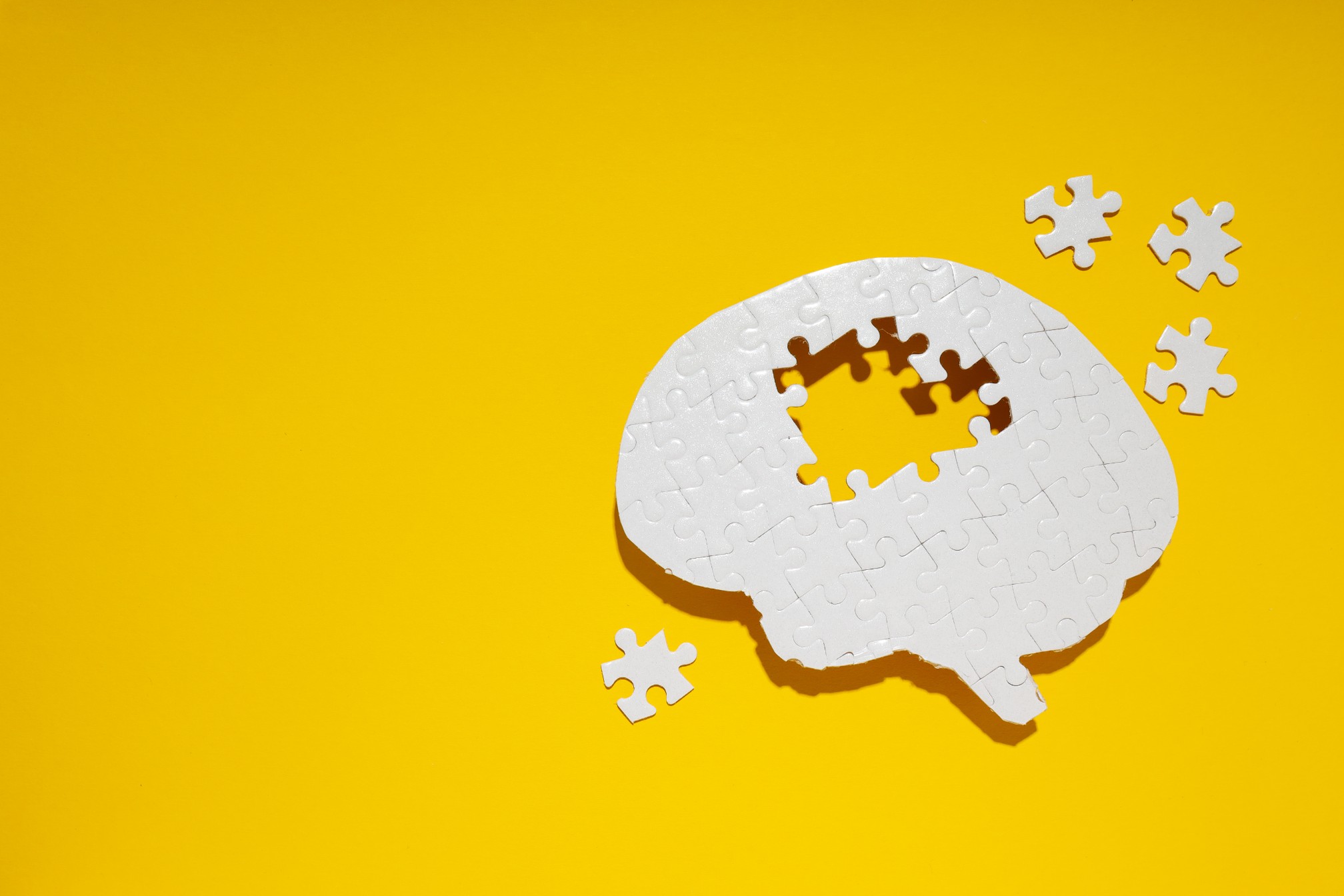
The most effective time management techniques are few and proven: prioritize, block time and cut switching. Designing against procrastination and multitasking.
8 goal setting and achievement templates. Turn a goal into a next step with a date, keep daily sprints apart from long-term plans, and review on schedule.
6 customizable study timer templates. Finite sessions make starting easier; pick a rhythm that suits the subject and build in real breaks.

When your wife or girlfriend has ADHD: why ADHD in women is often missed, why forgotten tasks aren't about caring less, and shared systems that help.
6 customizable countdown timer templates for presentations, sprints and hard deadlines. Full-screen visibility and intervals set to the task.

Can people with ADHD get a service dog? What a dog can be trained to do for ADHD, how qualification works, and the long-term commitment it involves.
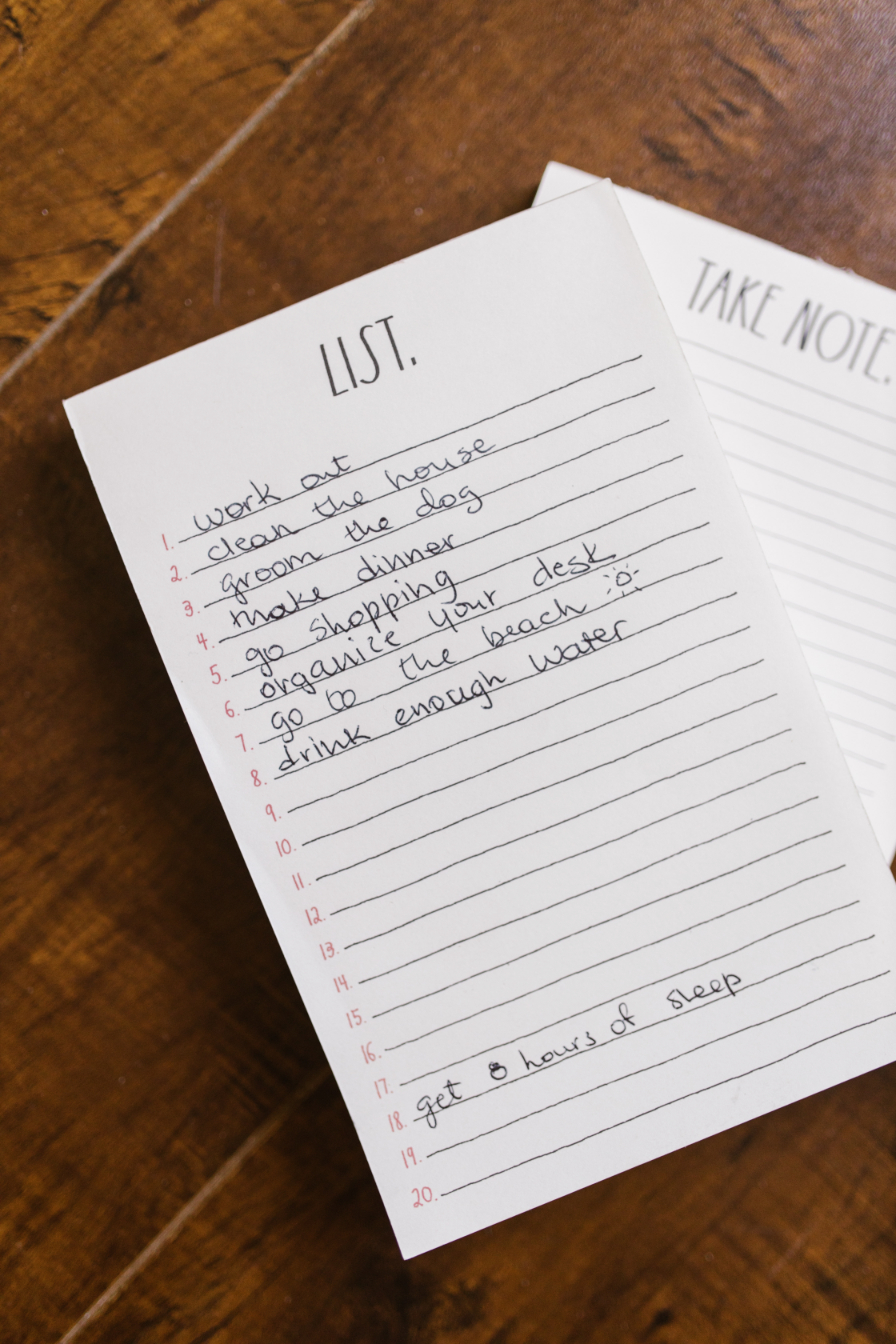
11 ADHD templates for managing tasks at work. Templates that remove the setup step, show a visible first action, and fit the hardest part of your day.
The 9 best AI productivity tools compared. Where AI helps most (capture, summaries, handoffs) and how to judge each tool by the upkeep it adds to your week.
Are ADHD medications placebo? How stimulant medication acts on dopamine and norepinephrine, what expectation does and doesn't explain, and where therapy fits.
What ADHD sounds like as a song: attention that changes tempo rather than staying low, with hyperfocus and distraction as one system at different speeds.
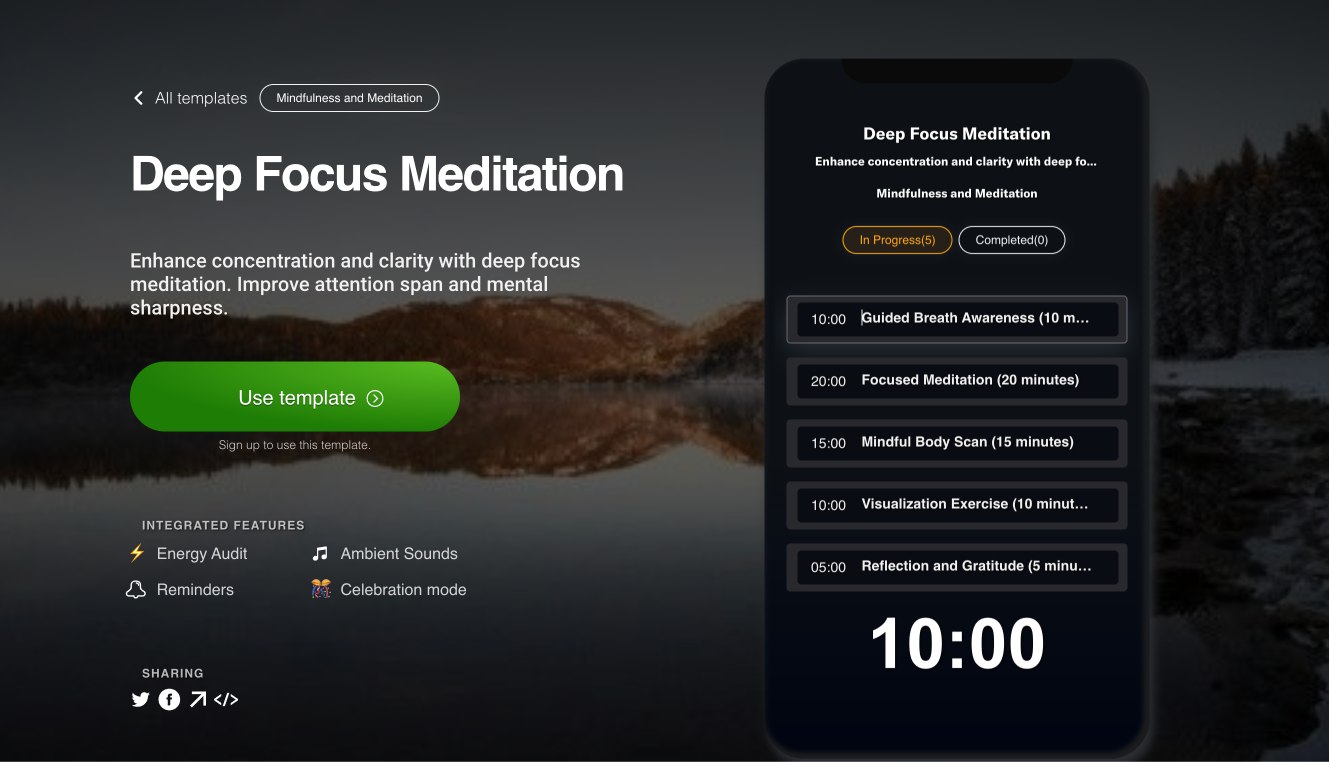
9 mindfulness and meditation templates, for focus before work or winding down after it. Why five minutes a day beats an occasional long session.

How people with ADHD show love: acts of service, closely observed gifts, and hyperfocus that comes and goes. Why expression varies more than the feeling does.
How AI breaks tasks down into subtasks. Big tasks stall because the first step is undefined; automatic breakdown fixes that, but check the steps first.

ADHD and giftedness can occur together, a combination called twice exceptional. How high ability masks ADHD and what support has to cover on both sides.
The 7 best to-do list apps compared by what they do best: capture, planning or scheduling. Why calendar integration and your main device should decide it.
Create a to-do list online with a free AI to-do list maker. It adds ordering and time estimates, and helps most when sorting the list is the work itself.
Why timeboxing works, from the brain's perspective: a deadline changes how you treat a task, and a fixed slot makes starting easier. Start with tasks you avoid.
Time management hacks that work for students, freelancers and business owners. Time management can be learned: pick two techniques and run them for two weeks.
ADHD hyperfocus is an asset when it lands on the right task. Time management tips to aim it deliberately and set an external interrupt so you can stop.

ADHD time management for programmers: why timeboxing suits open-ended coding problems, how small a first step should be, and what to fix at your desk.
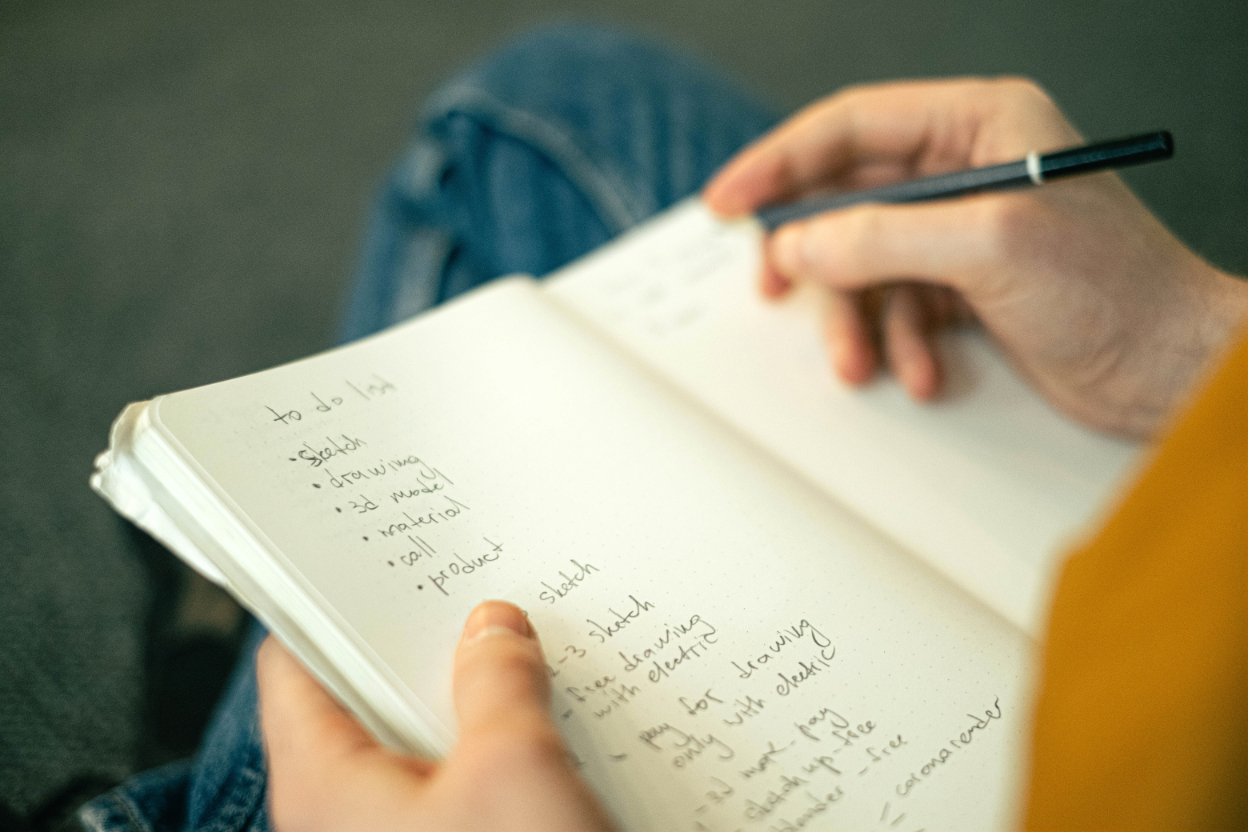
The most productive habits are structural: planning ahead, single-tasking and protecting sleep. Why copying a routine rarely works, and one change at a time.
Focus noise for working from home: a steady sound layer masks the household noise that pulls you out of work. Try free sources for a week before paying.
Productivity tricks to become more efficient: plan the day before it starts, use time blocks and smaller steps, and remove distractions at the source.
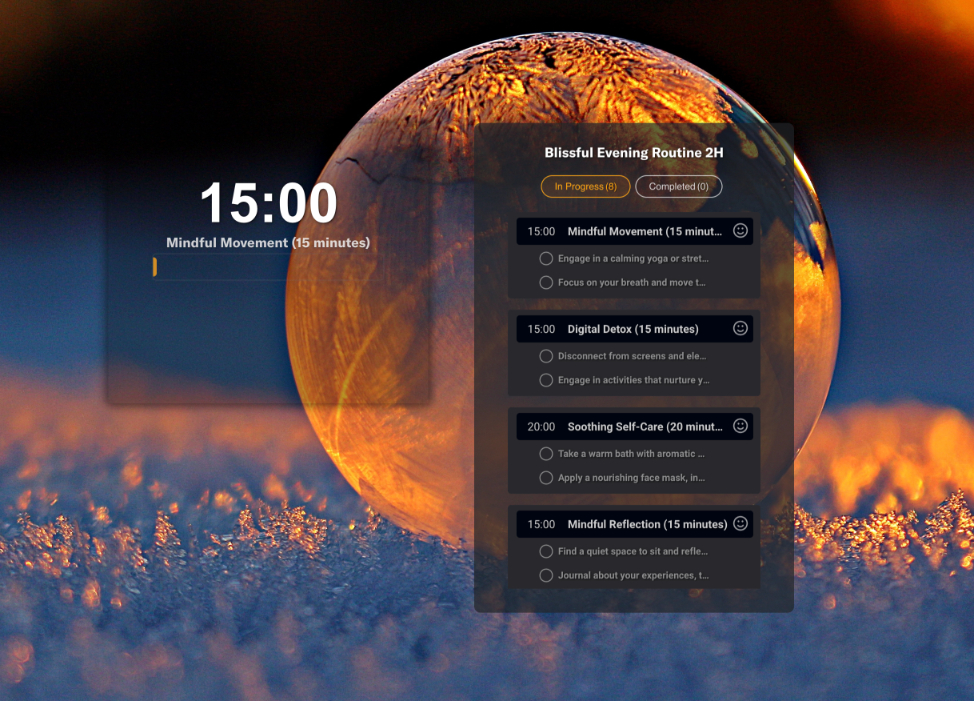
New FocusBox templates for meditation, morning and evening routines, studying and more. Start from the closest one and adjust instead of planning from scratch.

How to get more done in less time: rank tasks by importance before you start, block time so you stop re-deciding what's next, and delegate what you should.
Copy and paste your to-do list into FocusBox in seconds, tasks and subtasks included. Duration estimates are automatic, then work through one task at a time.
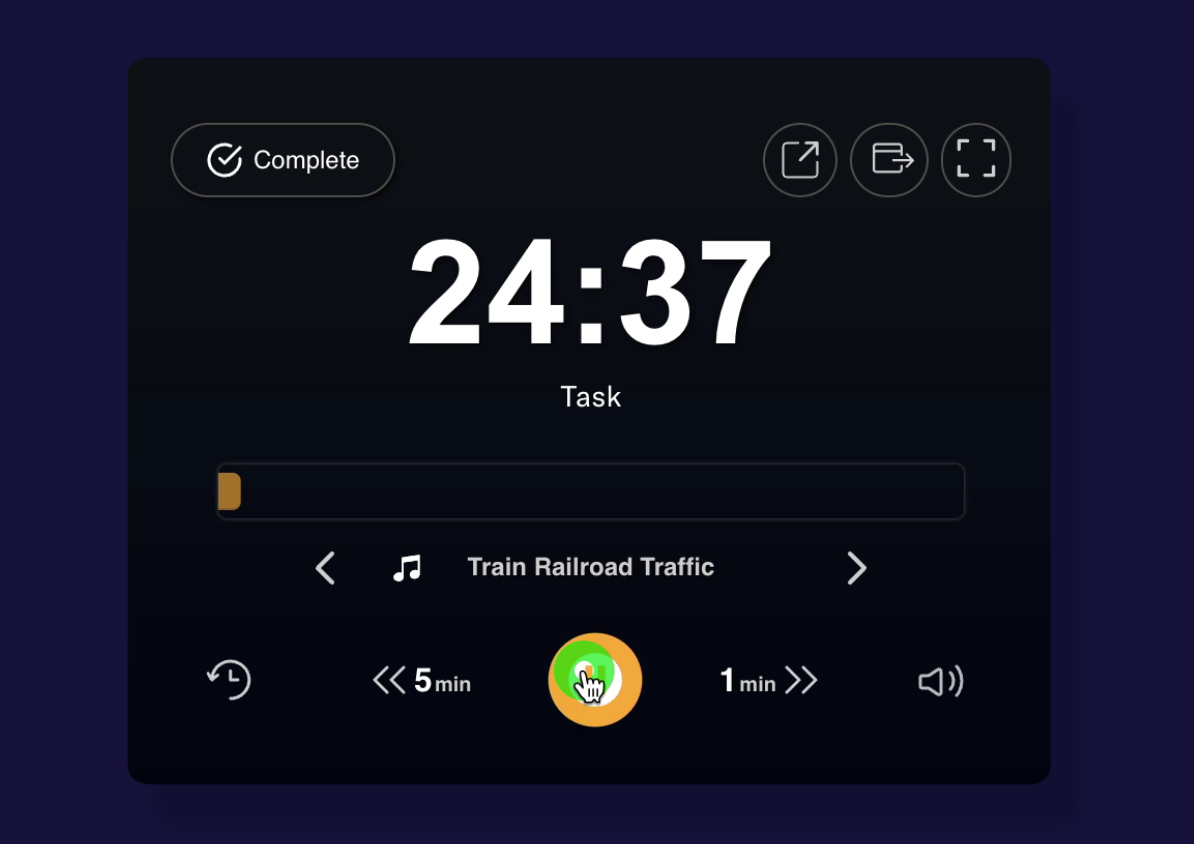
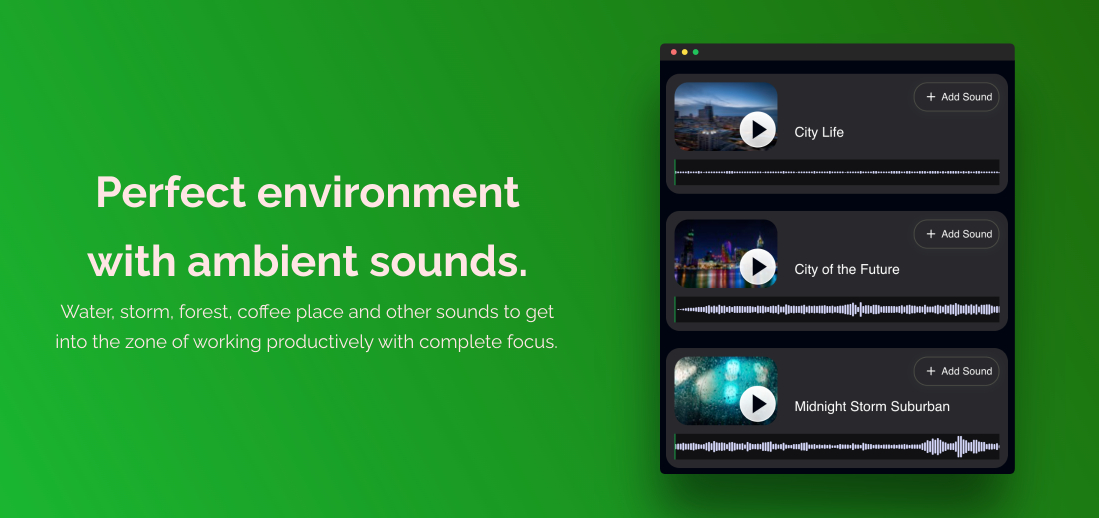
Change ambient sounds in one click to keep your focus. Different tasks need different sound, so set a default for your usual work and switch as you go.
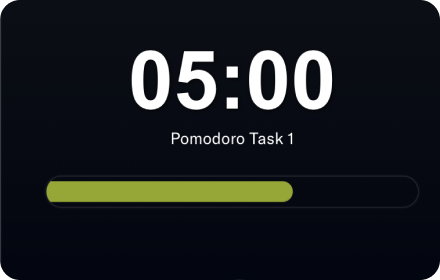
Unlock Your Productivity Potential with FocusBox: A Powerful Tool for Maximum Efficiency is now live on ProductHunt
Five little-known FocusBox features that save time every day. Audit the tool you already use before adding another app, and let small defaults compound.
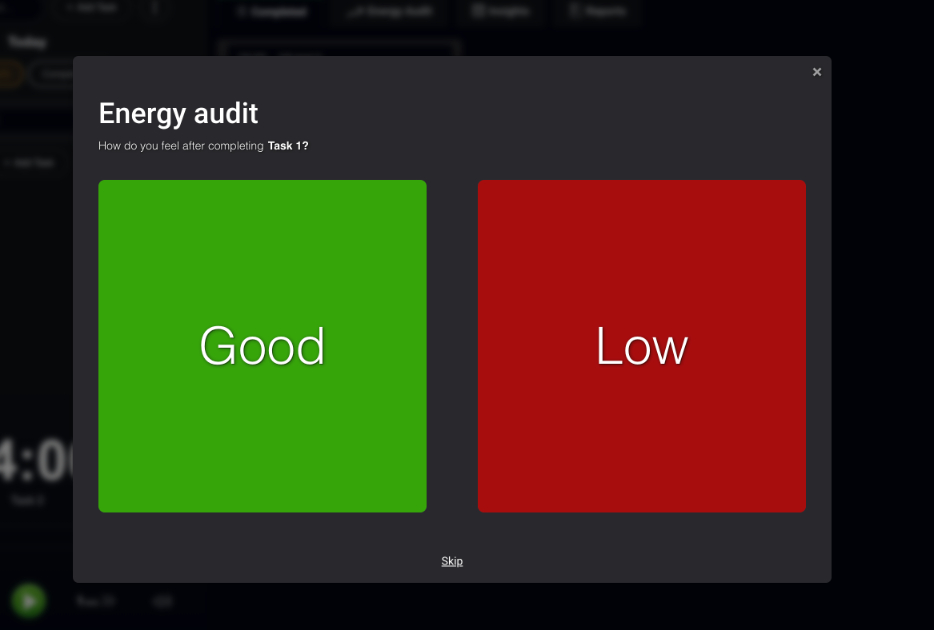
An energy audit shows which work energises you and which drains you. Find your zone of genius and schedule demanding work into your genuine energy peaks.

Tips for managing ADHD with FocusBox. ADHD affects starting and sequencing, not effort; how timers and ambient sound keep focus from depending on the day.
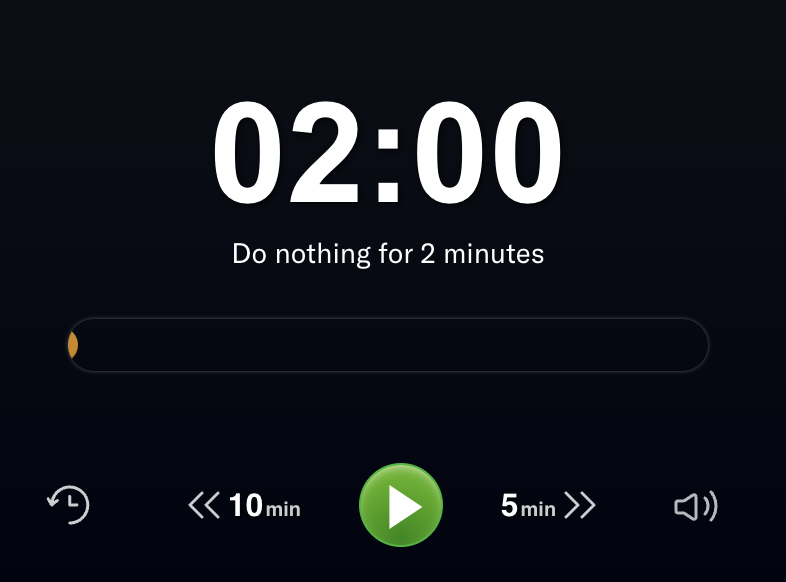
A 2-minute do nothing timer turns deliberate rest into a habit. Why two minutes is too short to argue with, and why you need a real timer to do it.
The science of background noise and how it can help you focus and get more tasks done in less time. Discover how sounds can actually improve our…
The 20-20-20 rule for eye fatigue: every 20 minutes, look at something 20 feet away for 20 seconds. Why it relaxes your eyes and doubles as a break point.
Discover how the "Eat the Frog" productivity technique can help you tackle your biggest task of the day. Read our article for tips and tricks to get…
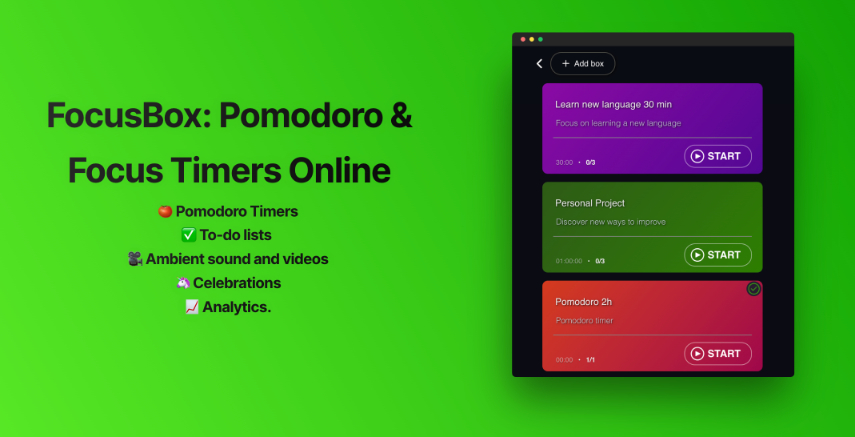
Boost productivity and achieve your goals with FocusBox: Pomodoro & Focus Timers Online Chrome extension. Detailed time stats and task completion tracking.
Discover the causes and effects of self-sabotage and learn practical tips to overcome it and boost your productivity. Read our latest blog post on…
Transform your home office into a healthy, productive space with these tips. Learn how FocusBox can help you avoid distractions and take necessary breaks.

The power of distraction-free work: why uninterrupted blocks produce more than the same hours broken up, and why distraction-free is a setup decision.

Learn how ego can be the cause of procrastination and how to overcome it with FocusBox. Ego and Procrastination: Understanding the Link between Them.
Strategies to boost your study focus: cut notifications first, use active recall instead of rereading, and treat sleep, food and breaks as study technique.

The 52-17 rule is a productivity technique that suggests working for 52 minutes with a break for 17 minutes, often used in conjunction with a productivity…

Take control of your freelance work and overcome procrastination. Stay on track and make the most of your time. Learn how to manage freelance…

FocusBox combines timeboxing, task management and focus sounds in one place, so you stop switching tools. Judge it on an ordinary week, not the first day.
Discover the difference between Timeboxing and To-Do Lists and find out which method is best for you with FocusBox. Enhance your productivity with…
The Pomodoro Technique explained: 25 minutes of work, a short break, repeat. Why a short interval makes starting easy, and when to change the default length.
Timeboxing gives every task a fixed slot and a hard stop. Learn why it works, how to plan a timeboxed day, how long boxes should be, and what to do on overruns.
Designed for ADHD and Timeboxing: AI To-Do Lists, Timers, and More.