
How to Study With ADHD: What the Research Supports
How to study with ADHD: quiz yourself instead of rereading (it worked as well for students with ADHD in 3 of 4 college studies) and plan back from exams.
Time management guides cover the techniques that turn available hours into finished work. You'll find how timeboxing works and why the brain responds to it, how it compares with a plain to-do list, the Pomodoro Technique and the 52-17 rule, short resets like the 20-20-20 rule and the two-minute do-nothing timer, and study skills that make the time count.

How to study with ADHD: quiz yourself instead of rereading (it worked as well for students with ADHD in 3 of 4 college studies) and plan back from exams.

The 1-3-5 rule caps your day at 9 tasks: 1 big, 3 medium, 5 small. Where it came from, a worked example day, the time math, and an ADHD version.

The most effective time management techniques are few and proven: prioritize, block time and cut switching. Designing against procrastination and multitasking.

Why timeboxing works, from the brain's perspective: a deadline changes how you treat a task, and a fixed slot makes starting easier. Start with tasks you avoid.

Time management hacks that work for students, freelancers and business owners. Time management can be learned: pick two techniques and run them for two weeks.

How to get more done in less time: rank tasks by importance before you start, block time so you stop re-deciding what's next, and delegate what you should.
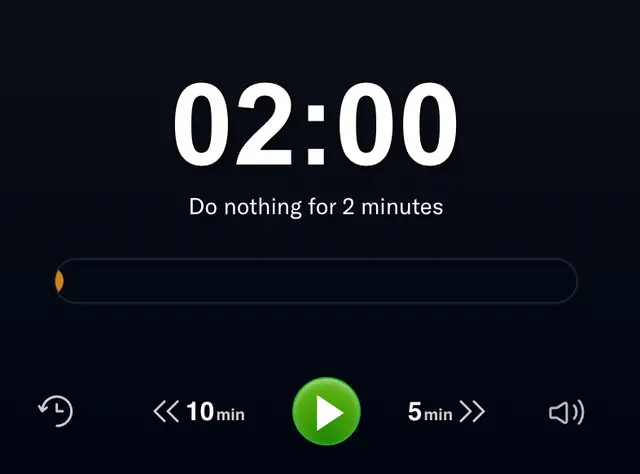
A 2-minute do nothing timer turns deliberate rest into a habit. Why two minutes is too short to argue with, and why you need a real timer to do it.

The 20-20-20 rule for eye fatigue: every 20 minutes, look at something 20 feet away for 20 seconds. Why it relaxes your eyes and doubles as a break point.

The 52-17 rule is a productivity technique that suggests working for 52 minutes with a break for 17 minutes, often used in conjunction with a productivity…

Discover the difference between Timeboxing and To-Do Lists and find out which method is best for you with FocusBox. Enhance your productivity with…

The Pomodoro Technique explained: 25 minutes of work, a short break, repeat. Why a short interval makes starting easy, and when to change the default length.

Timeboxing gives every task a fixed slot and a hard stop. Learn why it works, how to plan a timeboxed day, how long boxes should be, and what to do on overruns.
Designed for ADHD and Timeboxing: AI To-Do Lists, Timers, and More.